
GUT HEALTH
Leaky Gut Symptoms: 17 Signs Your Gut Lining Is Compromised
Bloating, brain fog, acne, fatigue, food sensitivities, and autoimmunity. Here are the 17 most common leaky gut symptoms, why they're connected, and the root-cause path to actually healing your gut lining.

Leaky Gut Symptoms: 17 Signs Your Gut Lining Is Compromised (and What to Do About It)
If you’re tired, bloated, breaking out in rashes you can’t explain, or carrying brain fog that no amount of coffee can lift, your gut might be trying to get your attention.
Leaky gut isn’t a trendy buzzword. It’s a real, measurable breakdown of the intestinal barrier, and it sits underneath some of the most stubborn chronic symptoms women in their 30s, 40s, and 50s come to me with every week.
In this guide, you’ll learn:
- What leaky gut actually is (in plain English)
- The 17 most common symptoms — far beyond bloating
- Why these symptoms aren’t random
- And the root-cause approach to healing the gut for good
“So whether you eat or drink, or whatever you do, do all to the glory of God.” — 1 Corinthians 10:31
Caring for the body God gave you isn’t vanity; it’s stewardship. And the gut is one of the most strategic places to start.
What Is Leaky Gut?
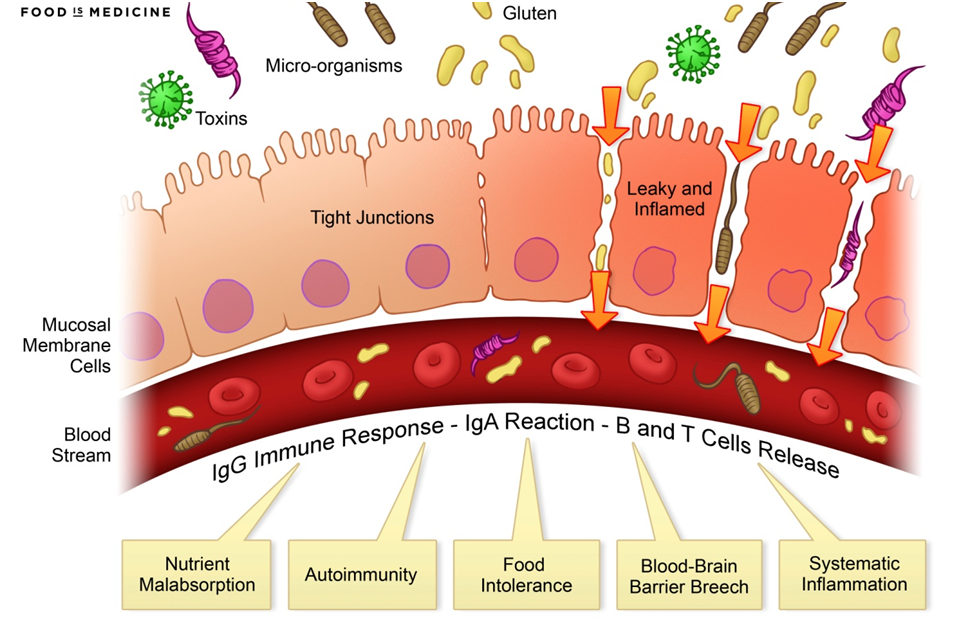
The intestinal lining is one cell thick. One. That single layer is supposed to act like a tightly-controlled gate, letting digested nutrients into the bloodstream while keeping toxins, undigested food particles, and pathogens out.
The cells of that lining are held together by structures called tight junctions. When the tight junctions loosen (a process called increased intestinal permeability), particles that should stay in the gut leak into the bloodstream.
The immune system sees those particles, doesn’t recognize them, and launches inflammation.
That low-grade, body-wide inflammation is the seed of dozens of chronic symptoms, including most of the ones you’re probably reading this page to figure out.
This is what conventional medicine often misses. Leaky gut rarely gets diagnosed, but it sits underneath an enormous percentage of autoimmune disease, hormone imbalance, skin issues, mood disorders, and food sensitivities.
The 17 Most Common Leaky Gut Symptoms
Leaky gut doesn’t look like just one thing. Here are the signs I see over and over again in practice.
Digestive symptoms
- Chronic bloating — especially after meals, lasting hours
- Gas, belching, or constant burping
- Constipation, diarrhea, or alternating between the two
- Acid reflux or heartburn that won’t respond to dietary changes
- Food sensitivities that keep multiplying — the list of foods you can’t tolerate gets longer every year
Skin symptoms
- Acne (especially adult/cystic acne)
- Eczema, psoriasis, or unexplained rashes
- Rosacea or chronic redness
- Itchy skin with no clear cause
Hormonal and metabolic symptoms
- Stubborn weight that won’t move even with diet and exercise
- PMS, painful periods, or worsening perimenopause
- Estrogen dominance signs — heavy periods, breast tenderness, mood swings
- Blood sugar swings and energy crashes
Brain and mood symptoms
- Brain fog, poor focus, or memory issues
- Anxiety or depression that started after a gut event (food poisoning, antibiotics, a stressful season)
- Persistent fatigue that sleep doesn’t fix
Immune symptoms
- Frequent infections, seasonal allergies, or a new autoimmune diagnosis (Hashimoto’s, RA, lupus, IBD, MS, etc.)
If three or more of these resonated, your gut barrier deserves attention. If you have an autoimmune condition, leaky gut is almost certainly part of the picture. Research has consistently shown that increased intestinal permeability precedes the onset of autoimmunity.
Why You Have So Many “Unrelated” Symptoms
Here’s what stuns most of my clients: skin, hormones, mood, and joint pain all look unrelated until you understand the gut.
When the intestinal barrier breaks down, three things happen at once:
- Toxins and bacterial fragments (LPS or “endotoxin”) cross into the bloodstream. This triggers system-wide inflammation. (I unpack this in detail in Leaky Gut & Endotoxemia.)
- The immune system goes into chronic alarm mode, exhausting itself attacking food particles it now sees as invaders.
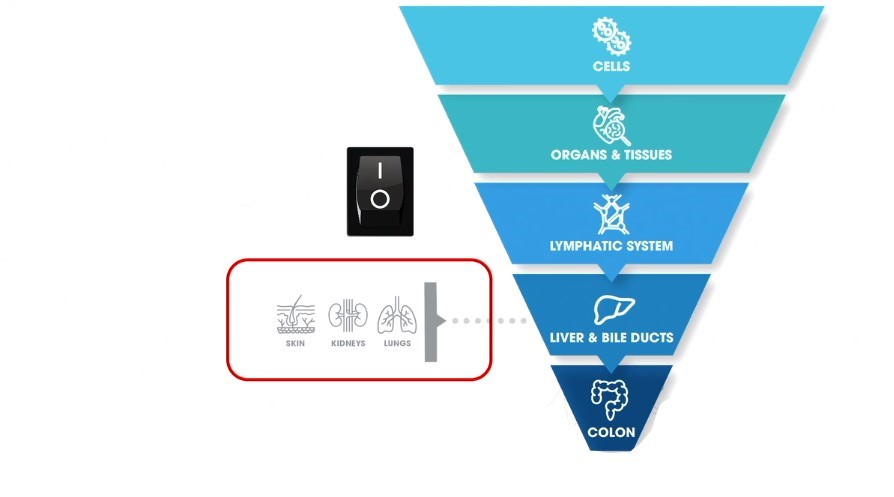
- The liver gets overwhelmed trying to clear the constant influx of toxins, which then back up and affect hormones, skin, and brain function.
So the “17 symptoms” aren’t 17 separate problems. They’re 17 expressions of one underlying breakdown.
What Causes Leaky Gut?
Leaky gut isn’t random and it isn’t your fault. The most common drivers I see:
- Chronic stress (raises cortisol, which directly damages tight junctions)
- Gluten in genetically susceptible people — gluten triggers zonulin, the protein that opens those tight junctions
- NSAIDs (ibuprofen, aspirin) — heavily linked to gut barrier damage
- Antibiotics, especially repeated rounds
- Glyphosate and food chemicals in the conventional food supply
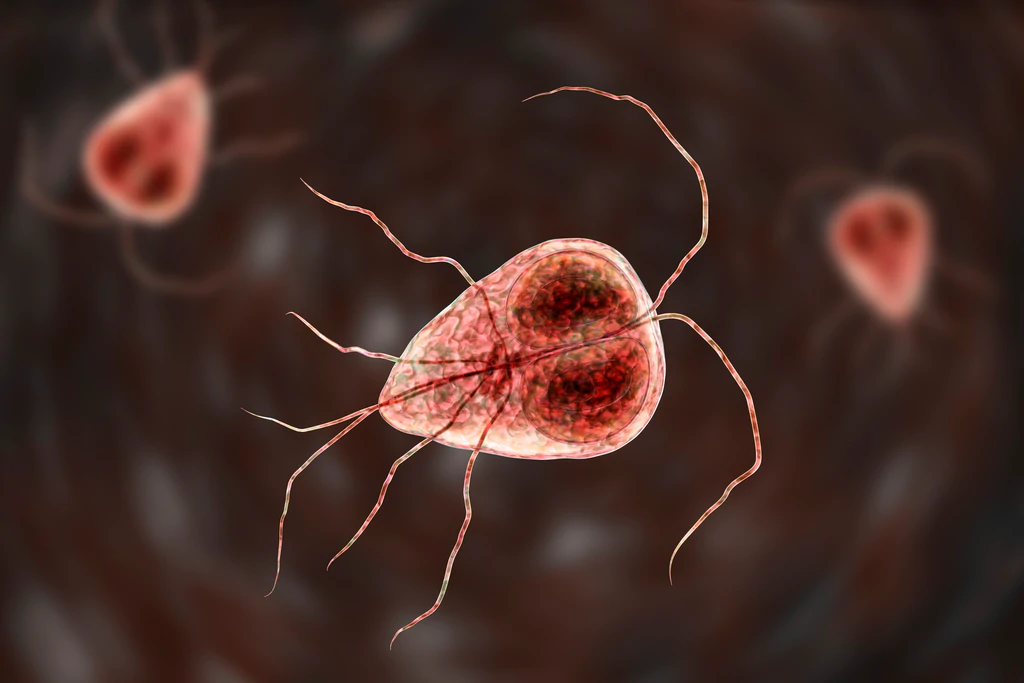
- SIBO, candida, or parasitic infections — see why treating SIBO isn’t enough and parasites: the hidden invaders
- Mold and biotoxin exposure (CIRS)
- Heavy metals and environmental toxins (see The Right Way to Detox)
- Low stomach acid and poor digestion — food that doesn’t break down properly feeds dysbiosis
- Trauma and unresolved stress that keeps the body locked in survival mode
Leaky gut is a downstream effect of these primary drivers. That’s why endlessly avoiding foods, taking probiotics, or “gut-healing protocols” pulled off Instagram rarely solve it.
How to Test for Leaky Gut
There are direct lab markers — zonulin, LPS antibodies, and Cyrex Array 2 are the most clinically useful. But honestly, in my practice the symptom pattern is usually so clear that confirmation is helpful, not essential.
If you’re working with a practitioner, ask about:
- Zonulin (serum or stool)
- LPS / endotoxin antibodies (IgA, IgM, IgG)
- A comprehensive stool test (GI-MAP, GI Effects)
- Organic acids test for yeast / bacterial overgrowth markers
The Root-Cause Path to Healing the Gut
Here’s where most people get stuck. They jump straight to “heal the gut” supplements like L-glutamine, collagen, or slippery elm, without removing what broke it.
That’s like patching drywall while the pipe is still leaking.
A real root-cause healing sequence looks more like this:
- Reduce the load. Remove the drivers (gluten, ultra-processed foods, glyphosate, NSAIDs, alcohol) and address ongoing stress.
- Restore digestion. Stomach acid, bile flow, and pancreatic enzymes need to be working. Eating in a parasympathetic state (slowly, prayerfully, without screens) is half the battle.
- Remove infections. SIBO, candida, parasites, H. pylori, and biofilm need to be properly assessed and addressed.
- Repair the barrier. Now L-glutamine, zinc carnosine, collagen, mucilaginous herbs, and butyrate actually do their job.
- Reinoculate. Targeted probiotics, prebiotics, and a wide variety of plant fibers to rebuild a resilient microbiome.
- Reconnect. Address the nervous system, trauma, and spiritual roots. The gut is the most stress-sensitive organ in the body. Without addressing the vagus nerve and the heart, healing stalls.
This is the framework I walk every client through. It’s slower than a 30-day protocol, but it’s also the only thing that actually lasts.
A Word About Faith and Healing
If you’ve been suffering with these symptoms for years, you may be exhausted. You may have prayed for healing and not received it the way you expected. I’ve been there, and so have most of my clients.
Hear this: your body is not broken beyond repair.
God designed your body to heal. He gave you a gut lining that regenerates every 3–5 days. He gave you mitochondria that rebuild. He gave you a liver that detoxifies. The body wants to heal — our job is to remove what’s blocking it and provide what it needs.
“He heals the brokenhearted and binds up their wounds.” — Psalm 147:3
Sometimes the binding up looks miraculous. Sometimes it looks like obedience to good stewardship over a long obedience in the same direction. Both are His work.
Where to Go From Here
If you saw yourself in the symptom list above, three next steps:
- Read Leaky Gut & Endotoxemia to understand the inflammation piece more deeply.
- Assess your toxic load. The Toxic Load Assessment shows you, in 15 minutes, what your body is carrying.
- If you’re ready for personalized help, apply for a discovery call. We do real root-cause work — testing, protocols, and faith-anchored coaching — for women who are done chasing symptoms.
You don’t have to live like this. The gut can heal. And so can you.
Topics in this teaching

Written by
Sarah Phillipe, BSN, FDN-P, HHP
Retired RN, Functional Diagnostic Nutrition Practitioner, and Board-Certified Holistic Health Practitioner helping Christian women heal from chronic illness through faith-centered, root-cause care.
Continue reading
Related teachings
GUT HEALTH
Leaky Gut and Endotoxemia: Are Bacterial Toxins Making You Sick?

GUT HEALTH
Why Treating SIBO Isn’t Enough
GUT HEALTH
Parasites: The Hidden Invaders Sabotaging Your Health
Detox
The Right Way to Detox: Supporting Your Body’s Drainage System

MITOCHONDRIA
Stuck in Survival Mode? Understanding the Cell Danger Response

FAITH & HEALING