GUT HEALTH
Leaky Gut and Endotoxemia: Are Bacterial Toxins Making You Sick?
Metabolic endotoxemia is an often overlooked root cause of inflammation that begins in the gut and impacts everything from your mood to your metabolism.
Leaky Gut and Endotoxemia: Are Bacterial Toxins Making You Sick?
What if some of your most frustrating symptoms—fatigue, food sensitivities, brain fog, hormone imbalance—were being fueled not just by external toxins, but by toxins created inside your own body? Specifically by leaky gut and bacterial toxins making you sick? Enter endotoxemia. I personally experience this myself when I was struggling with my health.
Metabolic endotoxemia is an often overlooked root cause of inflammation that begins in the gut and spreads system-wide, impacting everything from your mood to your metabolism.
Let’s unpack what it is, how it works, and most importantly, what you can do about it.
What Is Endotoxemia?
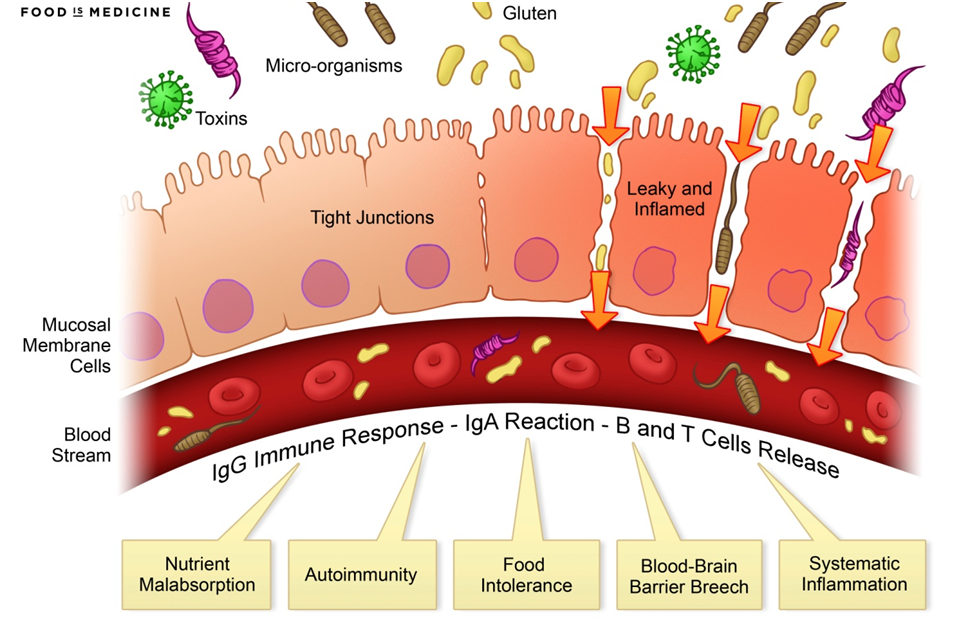
Endotoxemia refers to the presence of endotoxins—specifically lipopolysaccharides (LPS)—in the bloodstream. LPS are fragments of the outer membrane of certain bacteria that live in your gut. In a healthy body, these bacteria stay in the digestive tract where they belong, and the gut lining keeps LPS from entering circulation.
But when the integrity of your gut lining is compromised—a condition known as leaky gut—these endotoxins can cross into the bloodstream and trigger a powerful immune response.
This is what we call metabolic endotoxemia, and it’s a serious contributor to systemic inflammation.
How Does It Happen?
Our gut lining is meant to be selectively permeable—letting nutrients in while keeping harmful substances out. But when the gut is damaged by things like:
- Chronic stress
- Infections (bacterial, viral, parasitic, or fungal)
- Processed foods and seed oils
- Glyphosate and pesticides
- Medications (especially NSAIDs and antibiotics)
- Environmental toxins and heavy metals
…it becomes more porous, and bacteria or bacterial fragments like LPS can slip through.
This triggers your immune system, causing a flood of inflammatory cytokines such as IL-6, IL-1β, and TNF-α—powerful chemical messengers that fuel inflammation throughout the body.
Why Does It Matter?
Endotoxemia has been linked to a wide range of chronic conditions and frustrating symptoms, including:
- Food sensitivities and histamine intolerance
- Nutrient deficiencies (especially B12, iron, magnesium, and fat-soluble vitamins)
- Autoimmune diseases
- Fatigue, anxiety, and depression
- Weight gain and leptin resistance
- Insulin resistance and blood sugar imbalance
- Brain fog and poor memory
- Chronic constipation or diarrhea
- Low hormone levels, especially testosterone
- Pain, inflammation, and even neurodegenerative diseases like Parkinson’s or Alzheimer’s
Furthermore, because LPS are part of your natural gut flora, this doesn’t just happen with “bad bugs.” Even normal bacteria can cause problems if they cross the gut barrier due to inflammation and leaky gut.
The Vicious Cycle
One of the most challenging aspects of endotoxemia is how self-perpetuating it can be:
- Leaky gut allows LPS into the bloodstream
- LPS triggers inflammation
- Inflammation worsens leaky gut
- Nutrient absorption is compromised
- The immune system is overwhelmed
- Symptoms increase… and the cycle repeats
Over time, this can lead to the development of autoimmunity, hormonal imbalance, and long-term chronic illness—even in people eating a relatively healthy diet.
So How Do We Fix It?
Healing from endotoxemia means restoring gut integrity, calming the immune response, and reducing your toxic burden—both from the inside and out. Here’s how we do that:
1. Clean Up the Diet
The Standard American Diet (SAD)—high in sugar, processed foods, and inflammatory oils—is a major contributor to leaky gut and endotoxemia. We want to:
- Remove gluten, dairy, refined sugar, and any identified food sensitivities
- Eat a whole-food, anti-inflammatory diet with an emphasis on leafy greens, clean proteins, good fats, and fiber
- Go organic and non-GMO as much as possible to reduce glyphosate exposure (which damages the microbiome)
- Avoid the Dirty Dozen and stick to the Clean Fifteen when eating on a budget (check out the Environmental Working Group for annual updates)
2. Use Targeted Gut-Healing Nutraceuticals
While diet is foundational, sometimes we need extra support to repair the gut lining and neutralize LPS.
Here are a few of my go-to tools:
✔️ Serum-Derived Bovine Immunoglobulins
These are passive antibodies that bind and neutralize LPS, preventing them from activating the immune system. They also:
- Support secretory IgA (your gut’s immune defense)
- Help restore mucosal immunity
- Are safe, dairy-free, and non-GMO
- Have been shown in studies to bind to C. diff, H. pylori, Listeria, and even viruses
I use a specific, medical-grade version in my practice sourced from USDA-certified cattle and free from common allergens.
✔️ Spore-Based Probiotics (like MegaSporeBiotic)
These probiotics have been shown in studies to reverse leaky gut even without dietary changes. They work by promoting microbial diversity, crowding out pathogens, and encouraging gut barrier repair.
✔️ Additional gut supports may include:
- L-glutamine
- Slippery elm and marshmallow root
- Zinc carnosine
- Butyrate (a short-chain fatty acid that fuels gut cells)
3. Address Environmental & Emotional Toxins
We live in a toxic world—and every bit we reduce matters. Start with:
- Swapping out conventional makeup, skin care, and cleaning products for low-tox alternatives
- Replacing plastic with glass or stainless steel
- Using non-toxic cookware (ceramic, stainless steel, cast iron)
- Being mindful of fragrance, candles, and air fresheners
And don’t forget emotional toxins—stress, trauma, and unhealthy relationships can all impair digestion and gut health. Mindfulness, prayer, rest, and cultivating gratitude are healing practices, too.
4. Support Detox Pathways
Endotoxins aren’t the only burden. Heavy metals, mold, pesticides, and hormone-disrupting chemicals can all contribute to inflammation and immune dysfunction. Gentle detox support may include:
- Binders
- Infrared sauna
- Dry brushing and castor oil packs
- Liver-supportive herbs
- Personalized drainage and detox protocols
Healing Is Possible
Endotoxemia is a silent, systemic issue—often missed by conventional medicine. But it’s not a life sentence. With the right support, you can rebuild your gut barrier, calm your immune system, and get back to the vibrant health God designed for you.
Let’s Heal This Together
if you suspect endotoxemia is part of your story—especially if you’re dealing with fatigue, inflammation, gut issues, or chronic illness—I’d love to help you get to the root.
Apply for a 45-Minute Discovery Call below
Let’s connect, uncover what’s keeping you stuck, and create a personalized plan to support your body, mind, and spirit.
You were made for wholeness—and I’m here to walk with you toward it.
Share this:
Topics in this teaching

Written by
Sarah Phillipe, BSN, FDN-P, HHP
Retired RN, Functional Diagnostic Nutrition Practitioner, and Board-Certified Holistic Health Practitioner helping Christian women heal from chronic illness through faith-centered, root-cause care.