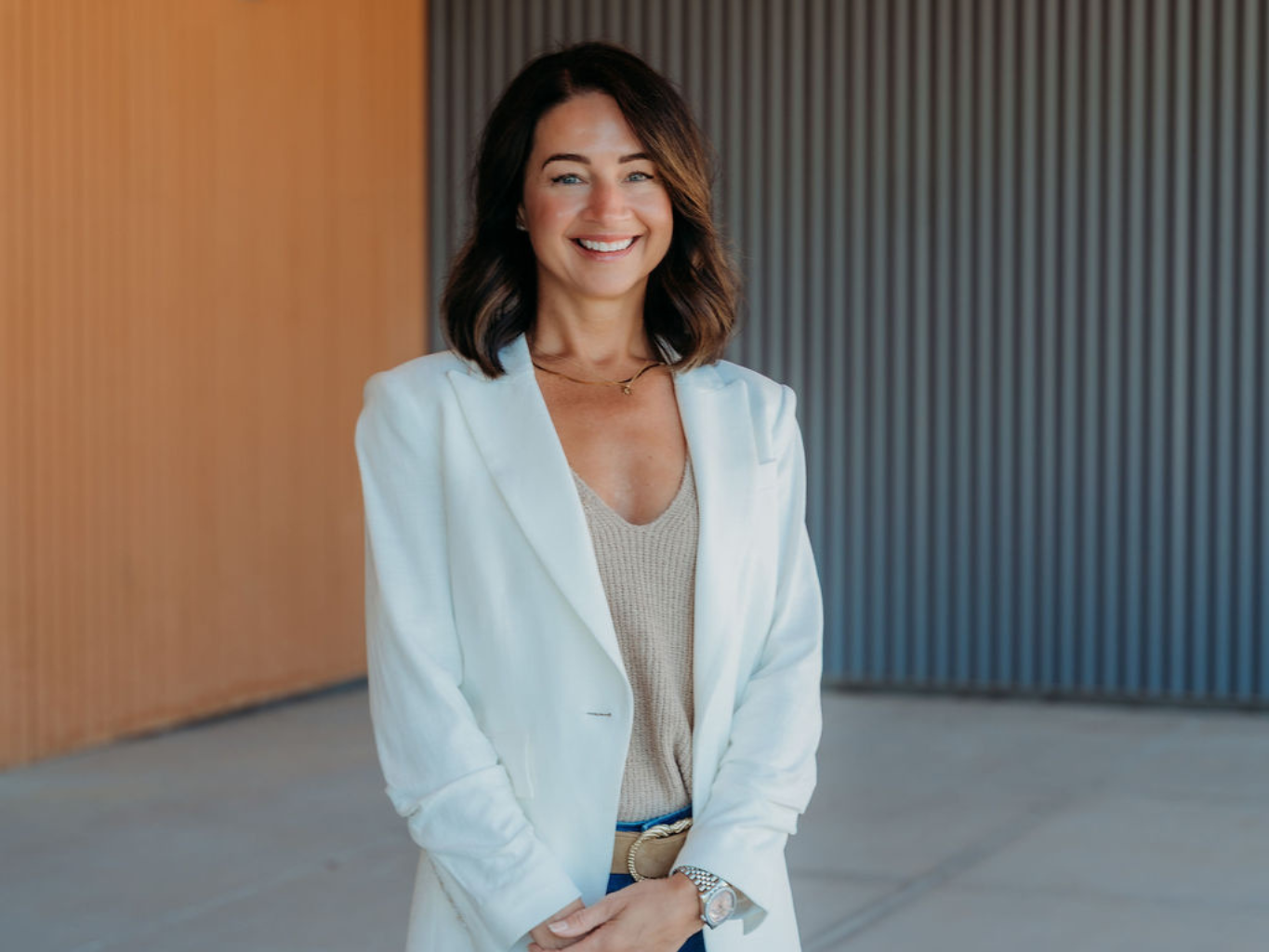
Press & Media Kit

Sarah Phillipe, BSN, FDN-P

Host of The Faith-Filled Healing Podcast  |  Board-Certified Holistic Health Practitioner  |  former Registered Nurse with 13 years of nursing experience

Drawing from nearly 20 years of combined experience in nursing and foundational, root-cause healing, Sarah offers honest, practical conversations shaped by her own chronic illness journey and unwavering faith in Jesus.

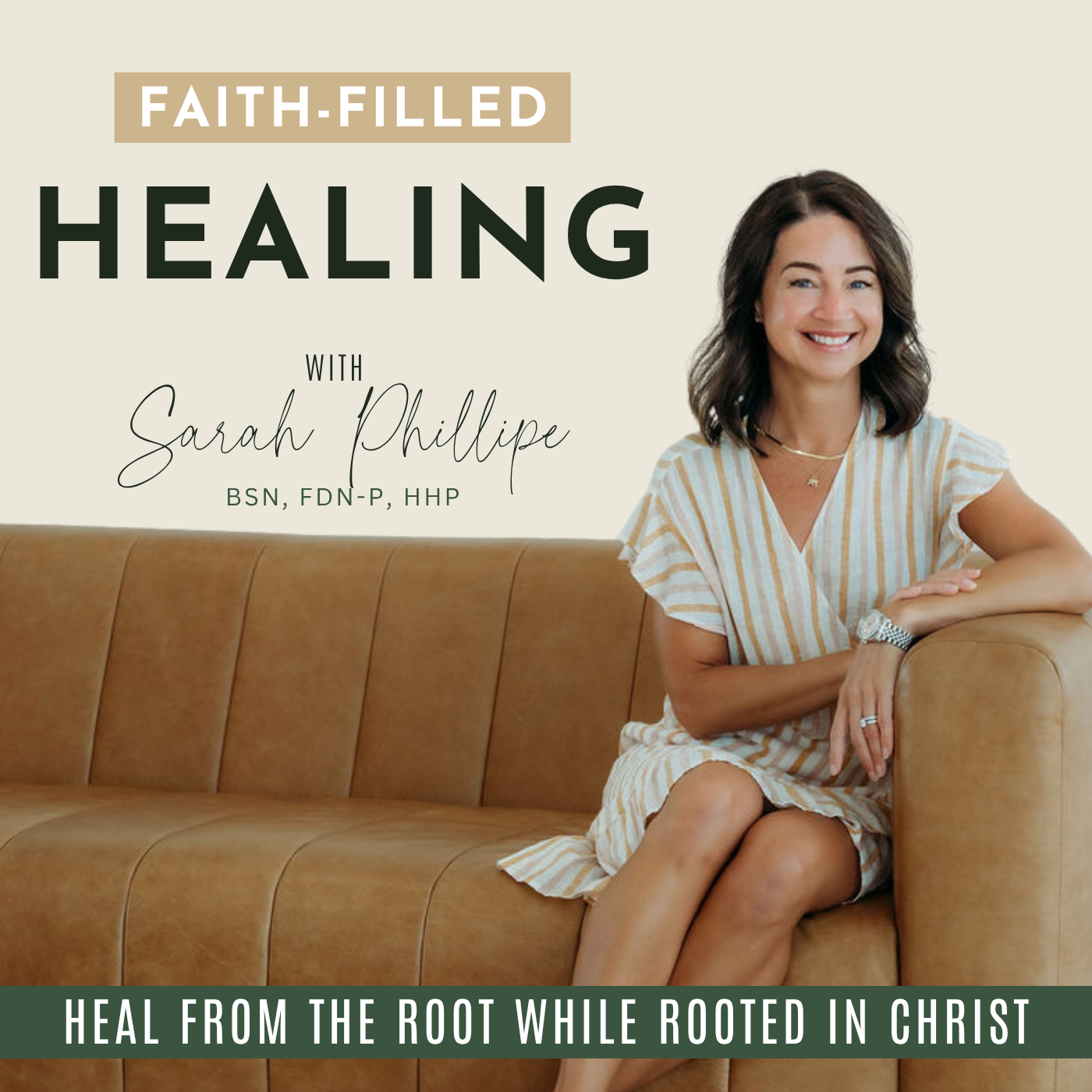
Sarah Phillipe seated on a tan couch in a bright, softly lit room

For Hosts

Favorite Topics with Sample Questions

As a board-certified holistic health practitioner and former Registered Nurse with 13 years of nursing experience, Sarah can speak to chronic illness, gut health, detoxification, hormones, nervous system regulation, autoimmune conditions, fatigue, and more from a root-cause, faith-based perspective. Her favorite conversations explore how faith intersects with every layer of physical healing.

Who Sarah Is a Good Fit For

Sarah is an especially good fit for Christian women’s podcasts, faith and wellness shows, chronic illness and functional health conversations, and summits focused on whole-person healing, detoxification, nervous system health, gut health, foundational medicine, root-cause, faith in the healing journey, or women’s wellness.

What Listeners Will Leave With

  • A clearer understanding of why chronic symptoms can persist
  • Practical first steps that don’t overwhelm the body
  • A faith-rooted distinction between stewardship and striving
  • Renewed hope without promises of guaranteed healing

Speaking Examples

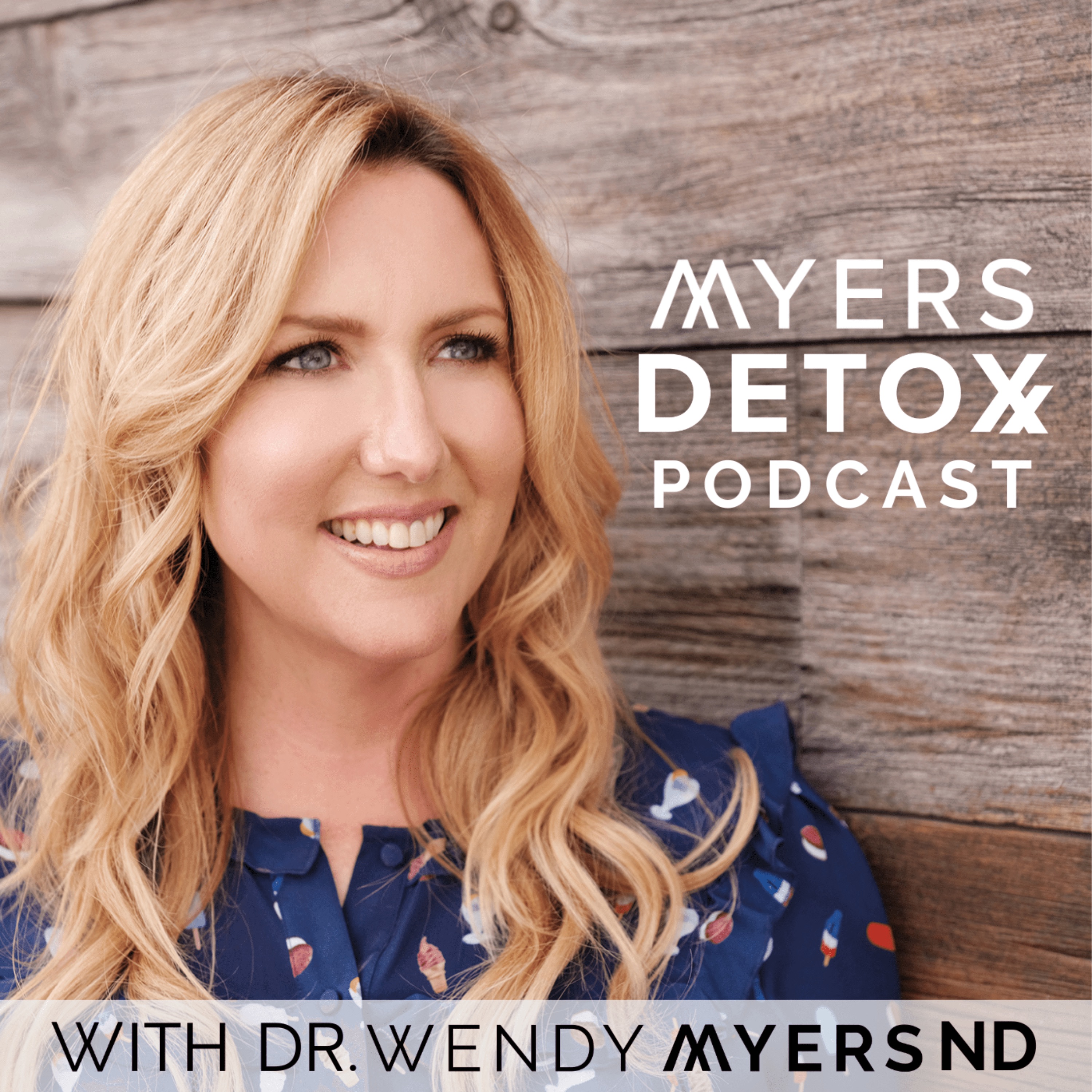
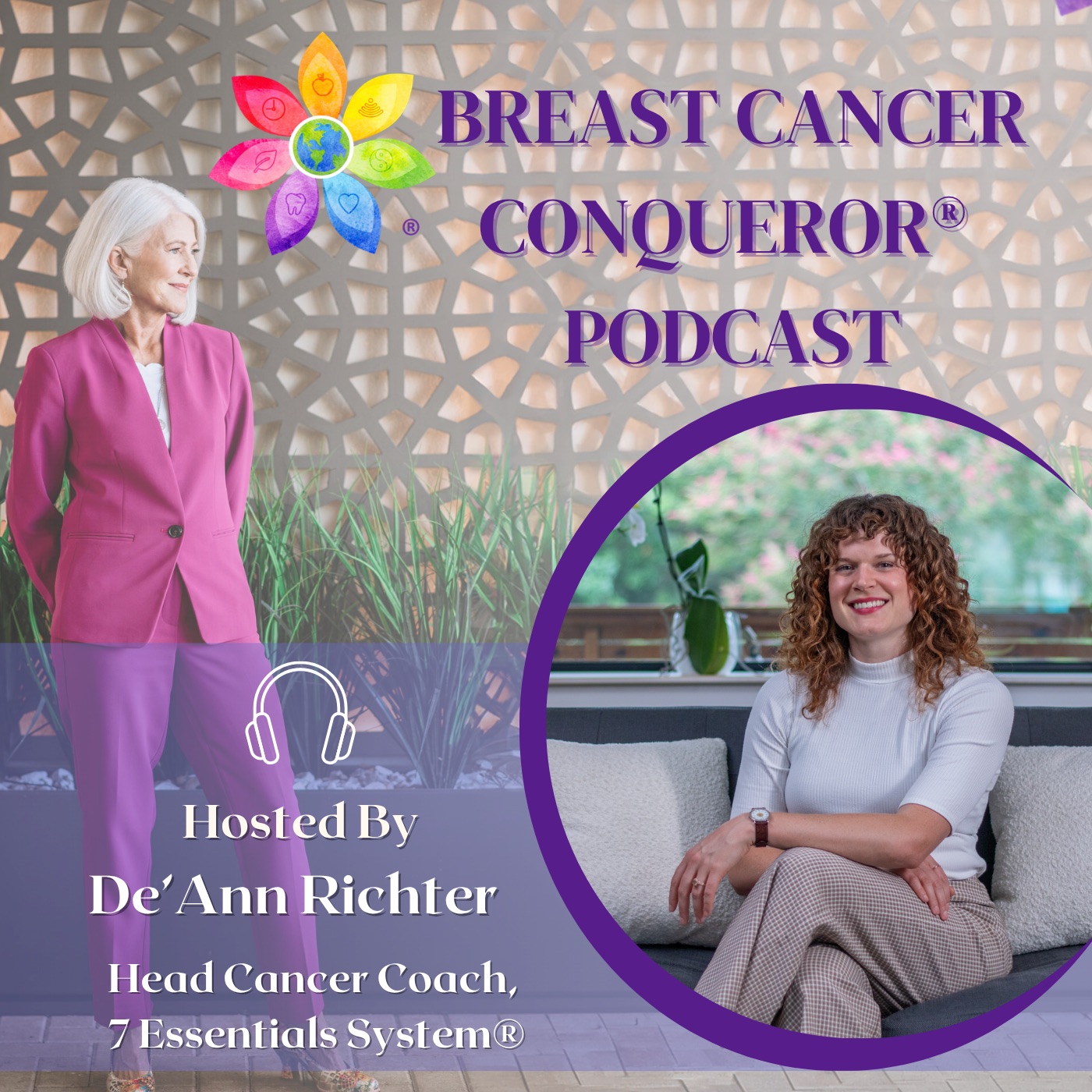
A selection of recent conversations that show how Sarah brings together root-cause health, faith, and honest storytelling without getting boxed into a single diagnosis or soundbite.
Root-Cause Healing & Chronic Illness Recovery

Conversations that start with symptoms but move upstream to the foundations that determine whether the body can recover.

Faith, Stewardship & Nervous System Health

How Christian women can care for their bodies without fear, control, or perfectionism — and what discernment looks like in the wellness space.

My Story & Body Image Redemption

A personal account of how illness, explant surgery, and surrender reshaped the way Sarah sees her body, her faith, and her calling.

Upcoming

A recent conversation on faith, healing, and clinical practice — available soon.

  • Coming soon

    The Christian Clinician

    Coming soon

Topic Suggestions

These are some of Sarah's favorite conversation starting points. If you have a topic that resonates more with your audience, feel free to suggest it — she loves custom conversations that serve your listeners well.

01

Why Most Root-Cause Healing Plans Fail: Foundations Before Protocols

Why identifying a root cause is only the beginning—and how supporting the body’s foundational functions creates the capacity for deeper healing.

  1. 1.Many women have identified mold, parasites, gut infections, hormonal imbalances, or toxic exposures as possible root contributors, yet they still aren’t improving. Why isn’t finding the “what” always enough?
  2. 2.What foundational functions must be supported before the body can respond well to a more targeted healing protocol?
  3. 3.You teach “drainage before detox.” What are the body’s primary drainage pathways, and why does their function matter before mobilizing toxins or addressing unwanted organisms?
  4. 4.What are some signs that a healing plan is moving faster than the body can process and eliminate what is being stirred up?
  5. 5.How do sleep, minerals, nourishment, digestion, bowel regularity, and nervous-system regulation influence the body’s capacity to heal?
  6. 6.For the woman who has been in a healing journey for a long time and still feels stuck, how can she begin simplifying and rebuilding from the foundations?
02

Your Nervous System Is Listening

How chronic stress, unresolved fear, and disconnection from God can influence digestion, hormones, immune resilience, and the body's capacity for restoration—and how Christian women can cultivate safety without borrowing from spiritually incompatible practices.

  1. 1.You talk about the nervous system being an important biological pathway through which chronic stress, fear, striving, and deeply held beliefs influence physical health. What do you mean by that?
  2. 2.Why can a woman intellectually know that she is safe and loved by God while her body continues to respond as though danger is present?
  3. 3.How does prolonged nervous-system dysregulation affect digestion, blood-sugar stability, hormones, immune resilience, sleep, and energy production?
  4. 4.What are some signs that the body is operating from a chronic survival response, even when a woman doesn’t describe herself as stressed?
  5. 5.How can fear, perfectionism, hypervigilance, and striving become physiological patterns rather than merely emotional experiences?
  6. 6.How does Christ-centered nervous-system support differ from spiritual practices rooted in New Age or self-healing beliefs?
  7. 7.What practical rhythms can help a Christian woman teach her body safety while remaining anchored in prayer, Scripture, truth, and dependence on the Holy Spirit?
03

Gut Health and Whole Body Healing

How gut health is foundational for whole body healing and determines whether the rest of the body can recover

  1. 1.You've said that gut health is foundational for whole body healing and determines whether the rest of the body can recover. Why is that the case, and what happens when the gut is compromised?
  2. 2.Leaky gut has become a buzzword. Can you explain what's actually happening at the gut lining in plain language?
  3. 3.How can a compromised intestinal barrier and disrupted microbiome contribute to symptoms outside the digestive tract?
  4. 4.What roles do stomach acid, digestive enzymes, bile, the intestinal lining, and gut motility play in protecting the body and absorbing nourishment?
  5. 5.A lot of women are doing what they believe to be all the right things for their gut — bone broth, probiotics, fermented foods, dietary restrictions, or gut healing supplements — and still not seeing improvement. Why is that?
  6. 6.What can persistent gut dysfunction reveal about other burdens such as chronic stress, mold exposure, toxic load, impaired drainage, or unwanted microbial overgrowth?
  7. 7.What foundational steps can someone take to begin supporting digestion without immediately reaching for an aggressive gut protocol?
04

Stewardship Without Striving

The difference between faithfully caring for your body and falling into the perfectionism that keeps you sick

  1. 1.You draw a sharp distinction between stewardship and striving. Can you explain what each one looks like and why the difference matters for healing?
  2. 2.Why can the relentless search for the perfect diet, practitioner, test, or protocol become another source of stress for the body?
  3. 3.You've shared that your own turning point came through surrender, not a better protocol. What did that look like practically?
  4. 4.How does the wellness industry subtly encourage striving, and what does it cost women physically?
  5. 5.What would you say to a woman who fears that releasing control means giving up on healing?
  6. 6.How does identity rooted in Christ change the way a woman approaches her healing journey?
  7. 7.What does it look like to take wise, practical action while entrusting the outcome to God?
05

When Healing Doesn't Come

An honest conversation about what it means to trust God when the healing you've prayed for hasn't arrived

  1. 1.This is a tender topic. How do you encourage a woman who has prayed faithfully, pursued healing diligently, and still hasn’t experienced the restoration she hoped for?
  2. 2.How can Christian women guard against believing that persistent illness means they lack faith, have disappointed God, or are being punished?
  3. 3.How do you hold hope for physical healing while refusing to make healing the condition upon which you trust God?
  4. 4.What does it look like to pursue root-cause support for the body without allowing health to become an idol?
  5. 5.How has your own experience with chronic illness, infertility, and unanswered prayer changed your understanding of God’s presence in suffering?
  6. 6.How can a woman live with purpose now rather than postponing her life and calling until her body is completely healed?
06

The Total Toxic Burden

Why chronic symptoms often trace back to an accumulation of stressors the body can no longer keep up with

  1. 1.You talk about total toxic burden being the upstream driver for chronic conditions. What do you mean by “total toxic burden,” and how is it different from simply having toxins in the body?
  2. 2.How can environmental exposures, chronic infections, impaired digestion, nutrient depletion, emotional stress, poor sleep, and sluggish elimination compound one another over time?
  3. 3.Why can one additional exposure or stressful event seem to trigger a sudden decline when the underlying burden has been accumulating for years?
  4. 4.What symptoms may suggest that the body is struggling to process and eliminate its total burden efficiently?
  5. 5.Why is reducing incoming exposure only one part of the solution?
  6. 6.If someone suspects her toxic burden is high, what foundational steps should come before an aggressive detoxification protocol?
07

Parasites, Pathogens, and the Internal Terrain

Why exposure is only part of the story—and how digestive defenses, immune resilience, bile flow, motility, the intestinal barrier, and total toxic burden influence whether unwanted organisms can persist.

  1. 1.Parasites aren't a typical podcast topic. Why do you spend so much time teaching on this? 
  2. 2.Most people assume parasites come from traveling to a third wold country. Can you talk about some of the ways we get exposed in our everyday lives?
  3. 3.You talk about the importance of the internal terrain. How can two people be exposed to the same organism and have different responses?
  4. 4.How do you know if parasites or chronic infections are actually part of your picture? What lab testing might be insightful? And what are some common symptoms people experience?
  5. 5.Say someone suspects they have parasites. Where should we start before going on a bug-killing spree?
  6. 6.What role do biofilms play in keeping chronic infections stuck, and how do you address them without overwhelming the body?
  7. 7.How do we build a terrain that makes us a bad host to pathogens without living in fear of every exposure?
08

Breast Implant Illness

A personal account of how implant illness reshaped one practitioner's entire approach to healing

  1. 1.You've been open about your experience with breast implant illness. Can you share what that journey looked like?
  2. 2.What eventually led you to consider them as a contributor to your health struggles and have them removed?
  3. 3.You talk about breast implants as one drop in the bucket rather than the only root cause of a woman’s symptoms—can you explain what you mean?
  4. 4.What did explant surgery change for you, and what deeper healing work was still needed afterward?
  5. 5.What do you wish more women knew before getting implants, and what do you wish more practitioners understood about BII?
  6. 6.How did that season reshape the way you understand body image, identity, and stewardship?
  7. 7.For a woman listening who suspects her implants are affecting her health, what would you tell her is the first step?
  8. 8.What foundational support may be helpful before and after explant so the body is better prepared for surgery, drainage, detoxification, and recovery?
09

Designed to Heal, But Not the Healer

How understanding your body's design changes the way you approach illness, recovery, and your relationship with God

  1. 1.You often say the body is designed with an innate capacity for repair and restoration, and yet you also make a clear distinction in saying that we are not the healer. What do you mean by that?
  2. 2.How does working with God's design for our bodies differ from trying to force the body into healing?
  3. 3.Why is it important to distinguish between honoring the body’s healing capacity and embracing the belief that we are our own healers?
  4. 4.What does it look like to partner with the body's design rather than fighting against it?
  5. 5.How does this perspective change the way we interpret symptoms—not as the body betraying us, but often as signs that it is adapting, compensating, or asking for support?
  6. 6.How do you maintain confidence in the body's design while acknowledging the effects of the fall, human limitation, and the reality that complete physical healing is not guaranteed in this lifetime?
  7. 7.What is the most important thing you would want a woman to understand about her body and her God before she begins any healing journey?
10

Symptoms Are Signals: What Your Body May Be Trying to Tell You

How shifting the way we interpret symptoms can reveal the deeper foundations that need support

  1. 1.You talk about symptoms like a warning light on the dashboard of a car. What changes when we begin viewing symptoms as signals rather than isolated problems that need to be silenced?
  2. 2.Why is it so important to look upstream rather than focus on symptoms?
  3. 3.What are some ways the body adapts and compensates long before chronic symptoms become impossible to ignore?
  4. 4.How can a woman become more attentive to her body without becoming hypervigilant or fearful of every sensation?
  5. 5.Why isn’t symptom relief always the same as healing—and can relief still have an appropriate place in a health journey?
  6. 6.What can symptoms reveal about foundational areas such as drainage, digestion, mineral status, blood-sugar regulation, toxic burden, or nervous-system function?
  7. 7.When symptoms feel disconnected, numerous, or overwhelming, how can a woman begin making sense of the patterns and identifying an appropriate starting point?

Headshots

Sarah Phillipe headshot, portraitSarah Phillipe, board-certified holistic health practitionerSarah Phillipe, speaker and podcast host

Note: Sarah's message and ministry are grounded in faith in Jesus Christ, and references to God and Scripture are central to her work. If her bio or message does not align with your podcast or audience, please let her know so she can determine whether she would be a good fit for your show.

Bios

Brief Bio

short — 45 words

Sarah Phillipe is a former Registered Nurse with 13 years of nursing experience, a Functional Diagnostic Nutrition Practitioner, a Board Certified Holistic Health Practitioner, who helps Christian women understand the root causes of chronic illness and pursue whole-person healing through foundational health support and faith in Jesus Christ.

Short Bio

medium — 120 words

Sarah Phillipe is a former Registered Nurse with 13 years of nursing experience, a Functional Diagnostic Nutrition Practitioner, a Board-Certified Holistic Health Practitioner, and host of The Faith-Filled Healing Podcast. After years of navigating her own chronic illness — including breast implant illness, SIBO, Lyme disease, endometriosis, infertility, and toxic overload — she now guides Christian women through a root-cause approach to healing that bridges faith and function. Drawing on clinical experience, personal healing, and a deep conviction that God cares about the whole person, Sarah helps women release the striving that keeps them stuck and step into sustainable, Christ-centered stewardship of their health. She is also the co-host of Spirit-Filled Girl Talk and the creator of the Faith-Filled Healing Foundations program.

Speaker Bio

long — 250 words

Sarah Phillipe is a former Registered Nurse with 13 years of nursing experience and a Bachelor of Science in Nursing, a Functional Diagnostic Nutrition Practitioner, a Board-Certified Holistic Health Practitioner, and host of The Faith-Filled Healing Podcast. After years of navigating her own chronic illness, she now guides Christian women through a root-cause approach to healing that bridges faith and function. Sarah's clinical framework is built on a simple but countercultural premise: the body is designed to heal, but healing requires order — not force. Rather than chasing symptoms or layering protocols, she teaches women to support the body's foundational drainage pathways, reduce toxic burden, and address the deeper contributors to dysfunction in a sequence the body can actually sustain. Her work explores how the nervous system can become an important biological pathway through which chronic stress, fear, striving, and deeply held beliefs influence physical health. Her own healing journey — which included breast implant illness, SIBO, Lyme disease, endometriosis, infertility, toxic overload, and years of unanswered questions — fundamentally reshaped her understanding of what it means to trust God with your body. Sarah discovered that the deepest healing did not come from finding the perfect protocol. It came through surrender. That experience now forms the theological and clinical foundation of everything she teaches. Through The Faith-Filled Healing Podcast, the Faith-Filled Healing Foundations program, and her writing, Sarah reaches Christian women across the country who are weary of the wellness hamster wheel and hungry for an approach that honors both their faith and their physical reality. She believes true healing addresses the whole person — body, soul, and spirit — and that God is not absent from the suffering. He is present in it.

Social Links

Free Resource for Your Audience

The Toxic Load Assessment & Masterclass

A free self-assessment tool and accompanying masterclass that helps women identify the hidden burdens their body is carrying and understand the foundational steps to begin reducing that load safely.

Link to the Resource

Want to Book Sarah for Your Show?

Sarah would love to share her message with your audience. If you'd like to invite her to be a guest on your podcast or speak at your event, reach out and she'll get back to you personally.

Invite Sarah to Your Podcast or Summit