GUT HEALTH
Parasites: The Hidden Invaders Sabotaging Your Health
Parasites are often overlooked invaders that can sabotage your health, causing vague and unresolved symptoms. It's crucial to consider them when looking for answers to chronic health issues.
Parasites: The Hidden Invaders Sabotaging Your Health
When you think about parasites, you probably don’t think of them as the hidden invaders sabotaging your health. Most people picture exotic travel or undercooked food in faraway places. But the truth is, parasite infections are far more common than we’ve been led to believe—even in developed countries. And if you’ve been struggling with vague, unresolved symptoms that seem to come and go with no clear explanation, it’s time to consider parasites as a missing piece of your health puzzle.
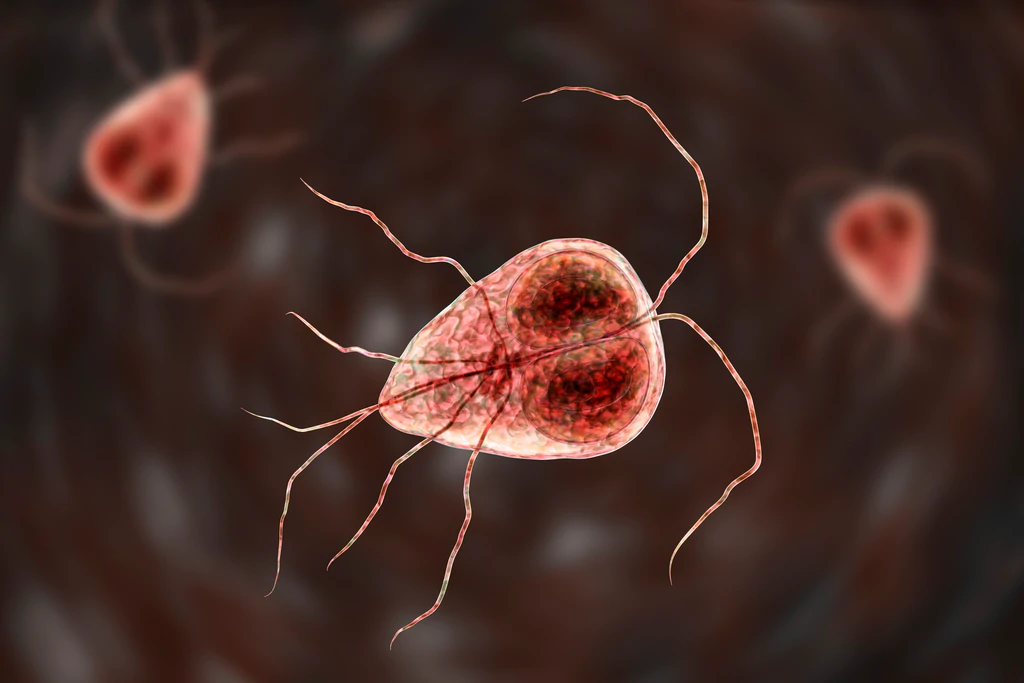
These stealthy invaders live on or inside other organisms and thrive by stealing nutrients from their host— you. Some are microscopic, like Giardia or Toxoplasma gondii, while others—like adult tapeworms—can grow to lengths over 40 feet. They can invade the gut, liver, brain, lungs, muscles, and lymphatic system, and even clog vital drainage pathways like the bile ducts.
Parasites are masters of disguise. They manipulate the immune system, changing form or hiding within protective cysts to go undetected. But here’s where it gets even more complex: parasites often carry other pathogens, such as mold spores, Lyme bacteria, and viruses—making it harder to uncover the true root of your symptoms.
Could Parasites Be Behind Your Chronic Symptoms?
Parasite symptoms are often vague and easily misdiagnosed. Many infest the gut, which can lead to mislabels like IBS or IBD. It’s important to understand, their effects can be systemic—impacting your immune, hormonal, digestive, and neurological systems.
Here are some common signs to watch for:
- Abdominal pain or bloating
- Chronic fatigue or insomnia
- Food sensitivities
- Skin rashes or sores
- Anxiety or mood swings
- Nutrient deficiencies
- Muscle and joint pain
- Allergies or autoimmune flares
- Headaches or brain fog
- Anal itching or teeth grinding
- Worsening symptoms around the full moon
The Types of Parasites You Should Know
Ectoparasites: These attach to the skin and feed on blood or tissue—think lice, fleas, scabies, ticks, and mosquitoes. Some are vectors for more serious infections.
Protozoa: Single-celled parasites that multiply inside the body and can cause serious, sometimes chronic illness.
Helminths: Parasitic worms you can see with the naked eye.
- Roundworms (like hookworms and pinworms) affect the intestines, liver, lungs, and muscles.
- Flatworms (like flukes and tapeworms) may damage the liver, gallbladder, or intestines.
How Do We Get Infected?
Parasites don’t just come from rare travel mishaps. They can sneak in through common, everyday exposures:
- Contaminated food: Undercooked meat, seafood, and even fresh produce
- Water: Including municipal supplies or natural water sources like lakes and pools
- Pets: Parasite eggs can live on fur, in litter boxes, or be passed by licking
- Surfaces: Doorknobs, bedding, toys, toilets—especially with pinworms
- Soil: Walking barefoot outdoors
- Other people: Poor hygiene, even sexual contact
- Blood transfusions: Not all parasites are screened for
Why Parasite Testing Often Fails
Despite how common parasite infections are, most conventional testing methods fall short. Many parasites hide deep within tissues or change form quickly. Consequently, stool samples often miss them entirely due to sample degradation, improper storage, or lack of technician training.
In my practice, I’ve seen clients pass visible parasites during at-home protocols—even when tests came back negative. It’s not uncommon, and it’s why we focus more on symptoms and strategic treatment than waiting on perfect lab confirmation.
Natural Parasite Support That Works
If you suspect parasites may be playing a role in your symptoms, here’s how to start addressing them in a safe, effective way:
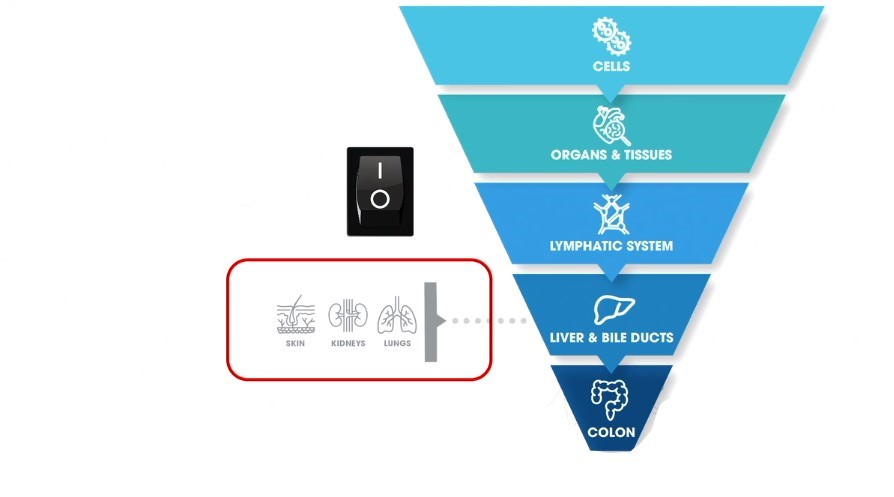
1. Start with Drainage
Before you even think about killing parasites, make sure your body’s detox pathways are open. This includes your colon, liver, kidneys, and lymphatic system. Otherwise, the debris from die-off can make you feel worse, not better.
2. Use Parasite-Targeting Herbs
God gave us powerful plant medicine! Consider herbs like:
Amla, clove, neem, holy basil, black walnut hull, mimosa pudica, vidanga, and triphala.
3. Binders Are Your Best Friend
Binders help mop up toxins and biotoxins released by dying parasites. Think of them as your internal clean-up crew.
4. Time It with the Moon
Surprisingly, parasites become more active around the full moon due to hormonal and neurotransmitter shifts. This is a powerful window to ramp up your protocol.
5. Heal the Terrain
Support healing with humic and fulvic acids, clean whole foods (especially low-sugar), plenty of purified water, movement, and rest. A healthy internal environment makes it harder for parasites to thrive.
Final Thoughts
Parasites may be an uncomfortable topic, but ignoring them won’t make them go away. They’re often an overlooked piece of the chronic illness puzzle, and addressing them can be the turning point in your healing journey. And it’s not just parasites sabotaging our health. Things like fungus and bacteria can contribute as well. Check out THIS blog to learn more about leaky gut and endotoxemia.
We live in a broken world with real physical battles, but we are not without hope. God designed your body with incredible wisdom and resilience. When you partner with His design, support your detox pathways, and steward your health with diligence and discernment, healing becomes not only possible—but powerful.
If you’d like personalized guidance in navigating parasite protocols or opening your drainage pathways safely, I invite you to apply for a 45-minute discovery call below.
You don’t have to figure this out alone. Let’s pursue healing, restoration, and vitality—together.
Share this:
Topics in this teaching

Written by
Sarah Phillipe, BSN, FDN-P, HHP
Retired RN, Functional Diagnostic Nutrition Practitioner, and Board-Certified Holistic Health Practitioner helping Christian women heal from chronic illness through faith-centered, root-cause care.
Continue reading