MITOCHONDRIA
Stuck in Survival Mode? Understanding the Cell Danger Response
If you've been living with chronic symptoms like fatigue or pain and nothing seems to be working, your body may be stuck in a protective state called the Cell Danger Response.

Stuck in Survival Mode? Understanding the Cell Danger Response
Have you ever felt like your body is working against you—no matter how well you eat, how many supplements you take, or how committed you are to healing?
If you’ve been living with chronic symptoms like fatigue, brain fog, hormone imbalance, or pain and nothing seems to be working, your body may be stuck in a state called the Cell Danger Response (CDR).
Let’s explore what that means—and how you can help your body shift from survival into healing.
What Is the Cell Danger Response?
The Cell Danger Response is a natural, built-in survival mechanism. When your body senses a threat—whether it’s from toxins, infections, trauma, or stress—your cells shift gears to protect you. They stop focusing on growth and repair and instead prioritize defense.
In the short term, this is a brilliant design from God. It helps the body survive. But when the threat isn’t resolved, this protective state gets stuck in “on” mode—and that’s when chronic illness begins to develop.
This could be due to mold exposure, viral infections, parasites, toxic burdens like heavy metals, or even long-term emotional trauma. Regardless of the trigger, when your cells stay in danger mode for too long, healing becomes nearly impossible.
What Happens Inside the Body?
When your body stays in a chronic Cell Danger Response:
- Your mitochondria (cellular energy centers) slow down, producing less ATP (energy)
- ATP is released outside the cell, signaling “danger” and increasing inflammation
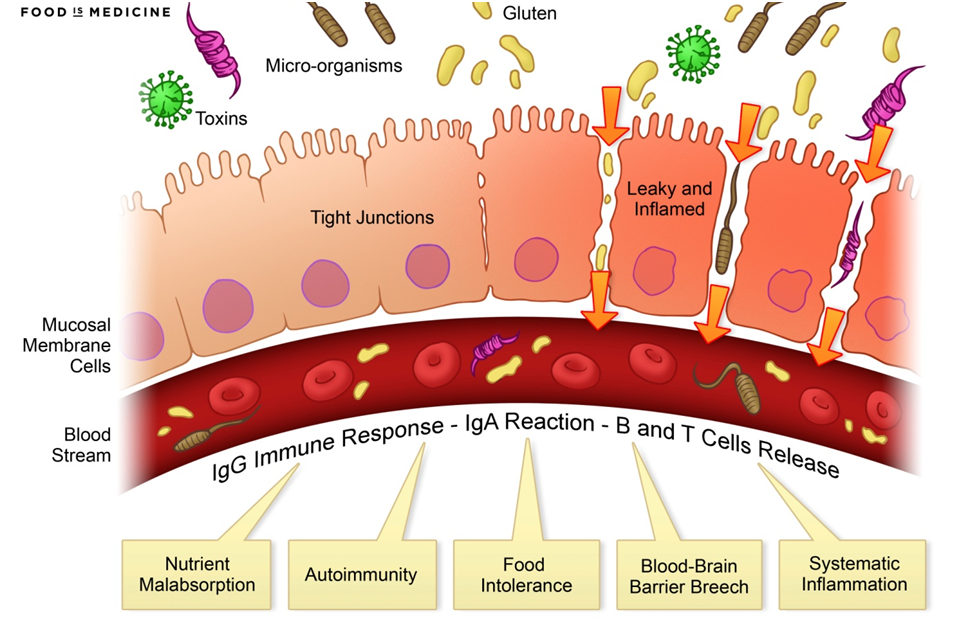
- Nutrient absorption decreases, especially for things like B vitamins, sulfur, and antioxidants
- Inflammation increases, sometimes in the form of food sensitivities, pain, rashes, or fatigue
- The immune system stays activated, leading to autoimmunity or burnout
- Histamine and mast cells may become overactive, causing new or worsening sensitivities
In other words, your body stops thriving and starts simply surviving.
What Can Trigger It?
Triggers can be physical, chemical, or emotional. Common examples include:
- Environmental toxins (mold, heavy metals, pesticides)
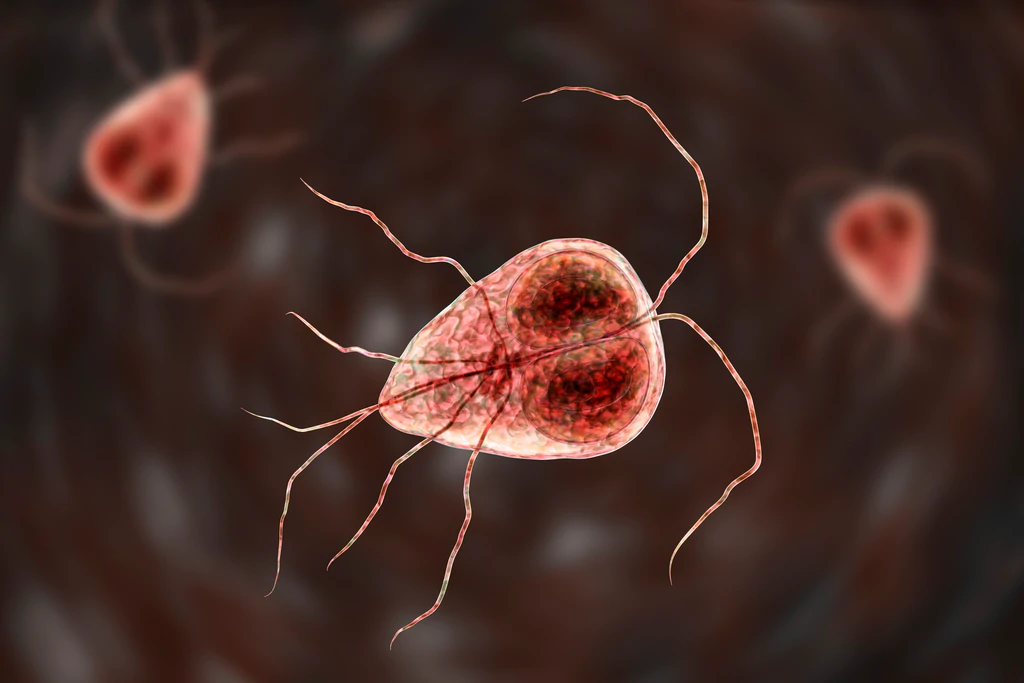
- Chronic infections (Lyme, Epstein-Barr, parasites, yeast overgrowth)
- Trauma (physical injury or unresolved emotional pain)
- Surgery or medical implants
- Overexertion, long-term stress, or burnout
- Nutrient deficiencies and gut dysfunction
Even things that feel “in the past” can linger in the body and keep the danger signal turned on.
The 4 Phases of the Cell Danger Response
According to Dr. Robert Naviaux, who pioneered this research, there are four stages your body may move through:
🔹 Phase 1: Initial Response
Your cells detect danger and trigger inflammation to protect you.
⟶ Associated with acute viral or bacterial infections, mild food sensitivities, allergic reactions, cold/flu, fever, fatigue, inflammatory pain, mild and transient anxiety or insomnia, temporary flare-ups of existing conditions (e.g., autoimmune activity)
⟶ What helps: removing toxins and stressors, deep rest, immune and nervous system support.
🔹 Phase 2: Metabolic Shift
If the threat isn’t removed, your body shifts into a lower-functioning state to conserve energy.
⟶ Associated with chronic fatigue, gut dysbiosis, IBS, SIBO, histamine intolerance/mast cell activation syndrome (MCAS), methylation imbalances, adrenal dysfunction, brain fog, anxiety, depression, food and chemical sensitivities, early stages of autoimmunity, candida or parasitic overgrowth, blood sugar imblance.
🔹 Phase 3: Mitochondrial Fatigue
Energy production tanks. Even mild exertion leaves you wiped out for days.
⟶ The body’s “battery” is depleted and can’t bounce back on its own.
⟶ Associated with myalgic encephalomyelitis/chronic fatigue syndrom (ME/CFS), fibromyalgia, autoimmune diseases (e.g., Hashimoto’s, lupus, RA), POTS and dysautonomia, neurological disorders (early stagers of Alzheimer’s, Parkinson’s), hormone resistance (e.g., leptin resistance, insulin resistance), gut-brain axis dysfunction, PTSD and chronic anxiety/depression, persistent viral reactivation (e.g., EBV, CMV, HHV-6), mitochondrial disorders, autism spectrum disorders.
🔹 Phase 4: Stuck in Survival
The original threat may be gone, but your body still acts like it’s under attack.
⟶ Chronic illness sets in, and healing won’t begin unless the CDR is resolved.
⟶ Associated with chronic inflammatory response syndrome (CIRS), complex multi-system illness (often with no clear diagnosis), mold illness, advanced neurodegenerative disease, persistent Lyme and co-infections, refractory autoimmune disease, chronic inflammatory skin conditions (e.g., eczema, psoriasis), severe hormone imbalance (e.g., hypothalamic amenorrhea, PCOS), trauma-related health stagnation, PEM (post-exertional malaise), multiple chemical sensitivity (MCS), poor response to traditional treatments.
How Do You Heal?
Healing from the Cell Danger Response is possible—but it’s not about doing more. It’s about helping your body recognize that it’s safe again.
Here’s what I recommend in my practice:
1️⃣ Remove the Root Stressors
We start by identifying and removing what’s keeping your body in defense mode:
- Environmental toxins (mold, metals, chemicals)
- Infections or stealth pathogens
- Gut imbalances and food sensitivities
- Hidden emotional or spiritual wounds
Functional lab testing can be so helpful in this phase.
2️⃣ Support the Body’s Healing Systems
Once the triggers are removed, we gently support:
- Mitochondria with nutrients like CoQ10, magnesium, and glutathione
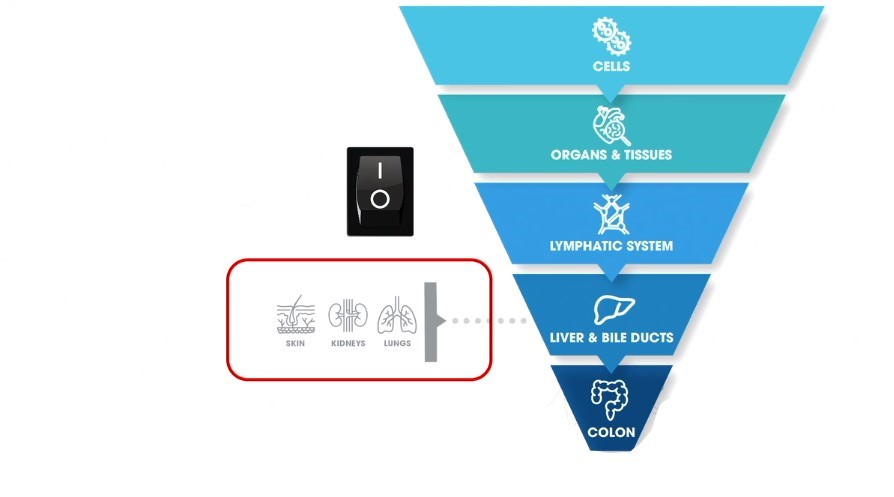
- Detox pathways with binders, liver support, and lymph drainage
- The nervous system with prayer, breathwork, grounding, and somatic movement
- The gut with probiotics, immunoglobulins, and targeted nutrition
3️⃣ Restore Balance and Energy
This is when we begin reintroducing gentle movement, nutrient-dense foods, and healing rhythms that bring the body out of fight-or-flight and into rest and repair. Tools like structured detox, low-tox living, and circadian alignment become powerful allies here.
4️⃣ Invite God Into the Healing Process
As someone who’s walked this journey myself, I know healing isn’t just physical. It’s emotional and spiritual too.
Scripture reminds us, “Come to me, all you who are weary and burdened, and I will give you rest.” (Matthew 11:28)
If your body is holding onto trauma, fear, or spiritual heaviness, it may be part of what’s keeping you in survival mode. That’s why in my programs, we weave together faith, foundational medicine, and emotional healing—for true transformation from the inside out.
You’re Not Broken—You’re Brilliantly Designed
If you’re stuck in the Cell Danger Response, it’s not a sign that your body has failed. It’s a sign that it’s trying to protect you—but now it needs help shifting back into healing.
With the right guidance and support, your body can remember how to heal.
Ready to Get Unstuck?
If this sounds like your story, I’d love to help you connect the dots and begin the journey back to wholeness. I offer personalized support to help you uncover root causes, nourish your body, and restore your peace.
Apply for a 45-Minute Discovery Call below
You don’t have to stay stuck in survival mode. There’s hope. And you were created to heal.
Share this:
Topics in this teaching

Written by
Sarah Phillipe, BSN, FDN-P, HHP
Retired RN, Functional Diagnostic Nutrition Practitioner, and Board-Certified Holistic Health Practitioner helping Christian women heal from chronic illness through faith-centered, root-cause care.
Continue reading