BREAST IMPLANT ILLNESS
Understanding Breast Implant Illness: Risks and Recovery
Breast Implant Illness (BII) is a term used to describe a collection of symptoms that can arise following breast augmentation with implants. While not officially recognized by all providers, it has become a reality for many women.
Understanding Breast Implant Illness: Risks and Recovery
Every year, hundreds of thousands of women undergo breast augmentation—often with hopes of restoring confidence, healing from past trauma, or reclaiming their sense of self after loss. While implants may offer a short-term solution, many women are unaware of the long-term health consequences they can pose.
Breast Implant Illness (BII) is a term used to describe a collection of symptoms that can arise following breast augmentation with silicone or saline implants. While not officially recognized as a medical diagnosis by all providers, it has become an increasingly common and deeply personal reality for thousands of women worldwide.
BII doesn’t discriminate. Symptoms can emerge within weeks of surgery—or lie dormant for years before surfacing. And because these symptoms often appear vague and systemic, they’re frequently overlooked, misdiagnosed, or dismissed entirely.
A Mysterious Onset of Symptoms
Breast Implant Illness manifests uniquely in each woman, but common patterns often include:
Hormonal & Endocrine Disruption:
- Hair thinning or loss
- Fatigue, low energy, and adrenal crashes
- Irregular menstrual cycles or worsening PMS
- Weight gain or metabolic imbalance
- Thyroid symptoms: cold intolerance, dry skin, heart palpitations
Neurological & Cognitive Changes:
- Brain fog and memory lapses
- Difficulty concentrating
- Dizziness or tremors
- Headaches, migraines, or visual disturbances
- Nerve pain, tingling, or muscle twitches
Immune & Inflammatory Challenges:
- Chronic infections: sinus, urinary tract, candida overgrowth
- Reactivation of viruses like Epstein-Barr
- Autoimmune flares or diagnoses such as Hashimoto’s, lupus, or interstitial cystitis
- Swollen lymph nodes, chemical sensitivity, or rashes
- Joint pain, swelling, or stiffness
Gut & Detox Issues:
- Bloating, gas, constipation or diarrhea
- Food intolerances or histamine reactions
- Leaky gut, SIBO, or dysbiosis
- Metallic taste, body odor, liver burden
Symptoms often wax and wane, making them difficult to pin down. But for many women, they follow a familiar pattern that begins months or years after implantation—and continues to worsen despite otherwise healthy lifestyle choices.
Why Does This Happen?
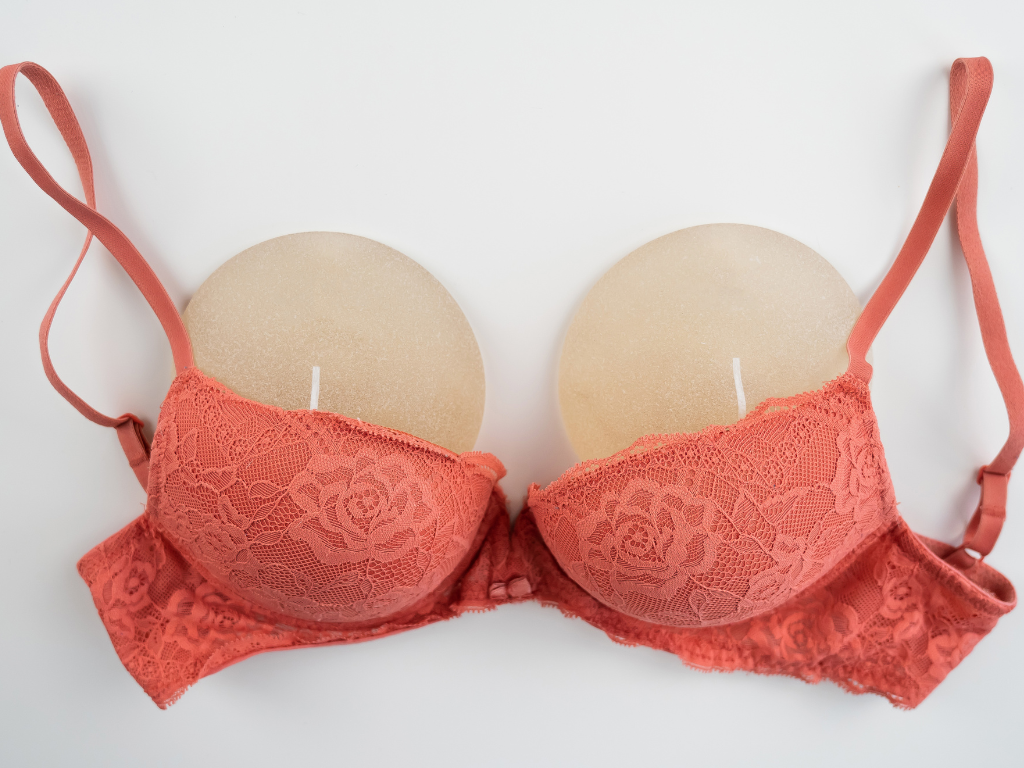
Breast implants, regardless of whether they’re saline or silicone-filled (saline have a silicone shell), are foreign devices made from materials that contain heavy metals, industrial chemicals, and potential toxins. These substances can slowly leach into the body through the semi-permeable shell of the implant, contributing to systemic inflammation and toxic burden.
In addition, breast implants may:
- Disrupt the immune system, leading to chronic infections or autoimmunity
- Overstimulate the endocrine system, contributing to hormone imbalances
- Compromise detox pathways, especially liver, kidneys, and lymph
- Trigger leaky gut and molecular mimicry, a mechanism behind many autoimmune diseases
In the case of saline implants, bacterial contamination or mold may also be present inside the implant due to faulty valves, further aggravating the body’s immune response.
A Silent Battle
One of the most frustrating aspects of BII is how invisible it can appear to the outside world. Many women look vibrant and healthy while silently battling fatigue, pain, and confusion. And when they seek help, they’re often handed medications for isolated symptoms—or told it’s all in their head.
But you know your body. And if your health declined after getting implants, or if no other explanation seems to fit, it’s worth considering whether your breast implants may be playing a role.
There is no single lab test that can diagnose Breast Implant Illness. Diagnosis is based on patterns of symptoms, timing, and—often—what’s revealed when the implants are removed.
What’s Really Inside Breast Implants?
The list of substances used in the manufacturing of implants is long and deeply concerning. Research has identified dozens of toxic materials in both silicone and saline implants, including:
- Silicone itself is not inert and can cause widespread inflammation, chronic immune responses, is neurotoxic, cytotoxic, and endocrine disrupting, and supports biofilm—a slimy layer of bacteria or fungi that protects pathogens from the immune system and antimicrobial treatments. Biofilms make it difficult for the body to clear infections and are commonly found on the implant shell or surrounding capsule after explant.
- Heavy metals such as aluminum, arsenic, cadmium, mercury, nickel, and lead
- Neurotoxins and carcinogens such as toluene, xylene, formaldehyde, and benzene
- Endocrine-disrupting chemicals that interfere with hormone balance, fertility, and immune function
These toxins can disrupt nearly every system of the body—especially when your detox pathways are already burdened or genetically compromised.
The Link Between Breast Implants and Cancer: What You Need to Know
While Breast Implant Illness (BII) is not officially recognized as a medical diagnosis, there is one implant-related condition that has gained growing attention in the medical literature and from the FDA: Breast Implant–Associated Anaplastic Large Cell Lymphoma (BIA-ALCL).
BIA-ALCL is a rare cancer of the immune system, not of the breast tissue itself. It develops in the scar tissue (capsule) and fluid surrounding a breast implant—most commonly in women with textured-surface implants, though it has occurred in women with smooth implants as well.
Though the overall risk is considered low, it’s important not to dismiss the significance. Cancer—no matter how rare—is a serious consideration when weighing the long-term impact of foreign materials in the body.
Symptoms of BIA-ALCL may include:
- Persistent swelling or pain around the implant
- A seroma (fluid buildup) that develops years after surgery
- A lump or mass near the implant
- Breast asymmetry or hardening
Many women who developed this cancer did so years after their implant surgery, often without warning signs. If caught early, BIA-ALCL is highly treatable, usually with explant surgery and complete capsulectomy. In some cases, chemotherapy or radiation may be required.
Other Cancer Risks Under Investigation
Beyond BIA-ALCL, researchers are now exploring potential links between breast implants and other cancers, such as:
- Breast Implant–Associated Squamous Cell Carcinoma (BIA-SCC): A very rare but aggressive cancer of the capsule lining
- Melanoma and certain lymphomas related to chronic inflammation and silicone migration
- Endocrine-related cancers, as many chemicals used in implants are classified as endocrine disruptors and potential carcinogens
These findings are still emerging, but they raise important questions about the long-term effects of chronic immune activation, systemic inflammation, and toxic chemical exposure associated with implants.
Moving Toward Healing
The good news is that many women who remove their implants and address the root causes of their illness experience profound healing. The process often begins with an en bloc explant and full capsulectomy, followed by personalized detoxification and restoration of the immune, endocrine, and digestive systems.
While explant surgery is the critical first step, true recovery requires a deeper, holistic approach—one that honors your body, supports your spirit, and addresses the unique ways your health has been impacted.
A Note of Encouragement
If you’ve already had implants or are considering removal, this isn’t meant to instill fear—it’s meant to offer informed awareness. Knowledge allows us to take proactive steps toward health and healing. And the good news is this: explant surgery, especially when performed en bloc with complete capsulectomy, can remove the source of chronic inflammation and reduce the body’s toxic burden—potentially decreasing your long-term cancer risk.
You deserve to feel safe in your body. You deserve answers. And you deserve a path forward that prioritizes your health, your wholeness, and your God-given purpose.
A Note From My Heart
Although my current practice now serves a broader community of men and women navigating complex chronic illness, I will always hold space for those walking through Breast Implant Illness. It was part of my story too—and a key turning point in my journey toward true, Christ-centered healing.
If this message resonates with you, I want you to know you’re not crazy. You’re not alone. And there is hope.
I’ll be sharing more in future posts about what healing can look like after explant—from detox protocols to spiritual restoration.
Until then, follow your intuition. You know your body better than anyone else.
Ready to Get to the Root and Reclaim Your Health?
If this blog post has stirred something in your heart—or if you’re wondering whether breast implants could be a hidden factor in your lingering health issues—I want to personally invite you to apply for a 45-minute Discovery Call with me.
This call is a sacred space for you to share your story, feel seen and heard, and explore whether working together is the right fit. Whether you’re preparing for explant, recovering afterward, or simply seeking clarity on your next healing step, you don’t have to walk this alone.
Together, we’ll seek truth, uncover root causes, and chart a holistic path forward—one that honors your body and your faith.
Click below to apply and let’s begin your healing journey—with hope, intention, and the guidance of the One who made you.
Share this:
Topics in this teaching

Written by
Sarah Phillipe, BSN, FDN-P, HHP
Retired RN, Functional Diagnostic Nutrition Practitioner, and Board-Certified Holistic Health Practitioner helping Christian women heal from chronic illness through faith-centered, root-cause care.
Deepen Your Understanding
Breast Implant Illness Summit
Get lifetime access to 60+ expert interviews with doctors, surgeons, and integrative practitioners on the causes, symptoms, explant surgery, detox, and complete recovery from breast implant illness — all in one place.
Learn More About the Summit