
Detox
Molecular Hydrogen: What the Research Shows and How It May Support Your Healing
Discover how molecular hydrogen may support antioxidant defenses, inflammation balance, mitochondrial function, and cellular resilience—and where it fits in a root-cause healing journey.

Most things we use to support the body add something to it—more minerals, more enzymes, more antioxidants, more binders, or another supplement to swallow.
Molecular hydrogen works a little differently, and that is one of the reasons I keep coming back to it.
Hydrogen gas, or H₂, is the smallest molecule in existence. Because of its tiny size, it can move quickly across cell membranes and reach areas of the body that many larger compounds cannot easily access, including the brain and the mitochondria—the structures inside your cells responsible for producing energy.
It does not need to be broken down the way food or a supplement does. And for a woman whose digestion is already struggling, whose body feels inflamed, or who is exhausted by complicated protocols, that simplicity can be meaningful.
But I want to be very clear from the beginning: molecular hydrogen is not a miracle cure. It will not remove mold from your environment, eliminate a parasite burden, restore sluggish bile flow, replenish missing minerals, or resolve the chronic stress response keeping your nervous system stuck in survival mode.
What it may be able to do is help lower some of the oxidative and inflammatory pressure your cells are working under while you address the deeper reasons your body is struggling.
That makes hydrogen a potentially valuable tool—but still a supporting tool.
The short answer: What is molecular hydrogen?
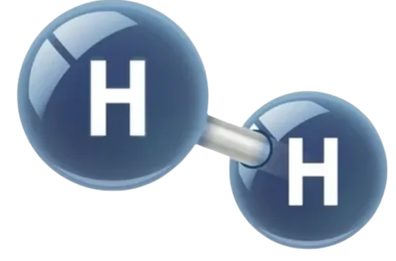
Molecular hydrogen is a colorless, odorless gas made of two hydrogen atoms. It can be dissolved into water, inhaled through appropriately designed equipment, or used in other specialized applications. Although much of the early human research involved hydrogen-rich water, inhalation is the method I personally use because it allows me to receive hydrogen continuously during a session without relying on digestion—and the system I chose also allows me to make hydrogen-rich water when I want more direct support for the digestive tract.
Researchers are studying it for its potential influence on:
- Oxidative stress
- Inflammatory signaling
- Mitochondrial and cellular function
- Metabolic health
- Exercise recovery
- Neurological health
- The body's own antioxidant-defense pathways
The early findings are encouraging, but they are not equally strong in every area. Much of the research still comes from cell and animal studies, and many of the human trials have been relatively small or short.
So while I believe molecular hydrogen is worthy of attention, I also believe it should be discussed honestly. The research is promising—not conclusive—and hydrogen should never be positioned as a replacement for appropriate medical care or for investigating the root causes of chronic symptoms.
Where the research began
The first published investigation of hydrogen as a medical gas appeared in Science in 1975. But the research did not begin gaining widespread attention until several decades later.
In 2007, a Japanese research team published an influential animal study in Nature Medicine. The researchers found that inhaled hydrogen reduced oxidative damage and the volume of injured brain tissue following experimentally induced ischemia and reperfusion—the loss and subsequent restoration of blood flow that occurs with a stroke.
In that animal model, hydrogen's effects compared favorably with edaravone, an antioxidant medication used for acute ischemic stroke in Japan. That does not mean hydrogen has been proven equivalent to stroke treatment in humans, but the results gave researchers a compelling reason to look more closely at what this tiny molecule might be doing.
The study also suggested something particularly interesting: hydrogen appeared to interact with especially damaging oxidants, including the hydroxyl radical, while having less effect on reactive molecules the body uses for normal signaling.
That distinction matters because free radicals are not universally bad. Your body produces some reactive molecules on purpose. They participate in immune defense, adaptation, and communication between cells. The goal is not to eliminate every oxidant; it is to help the body restore balance when oxidative stress begins overwhelming its protective capacity.
Since 2007, molecular-hydrogen research has expanded considerably. Thousands of papers have explored its effects in cell cultures, animals, and humans. Still, most of the published evidence remains preclinical, and human studies often use different doses, delivery methods, treatment periods, and outcome measures. That makes it difficult to draw sweeping conclusions.
There is a meaningful signal here. There is also much more to learn.
It may work more like a messenger than a mop
The earliest explanation was that molecular hydrogen worked mainly as a selective antioxidant—almost like a tiny mop cleaning up damaging free radicals.
Researchers now believe that explanation is incomplete.
Hydrogen moves through the body quickly and does not remain at measurable levels for very long. Yet in some experiments, its protective effects continue after the hydrogen itself is gone. The amount reaching individual cells may also be too small to explain every reported effect through direct free-radical neutralization alone.
This has led researchers to investigate whether hydrogen acts less like a substance that does all the work itself and more like a message that influences how the body responds to stress.
One pathway repeatedly implicated in experimental research is Nrf2. You can think of Nrf2 as one of the body's important cellular defense coordinators. When activated appropriately, it helps regulate genes involved in antioxidant protection, detoxification, and the response to oxidative stress.
In some experimental models, hydrogen has been associated with activation of Nrf2 and increased activity of the body's own protective compounds and enzymes, including glutathione, catalase, and superoxide dismutase. In certain studies, disrupting Nrf2 signaling also weakened or eliminated some of hydrogen's protective effects.
That suggests Nrf2 may help mediate at least some of hydrogen's actions. It does not prove that Nrf2 is hydrogen's first or only target, and researchers still do not fully understand the sequence of events.
Hydrogen has also been associated in experimental research with changes in inflammatory signaling, mitochondrial activity, calcium signaling, gene expression, and the production of oxidative byproducts.
In plain language, hydrogen may help the body respond to cellular stress more appropriately rather than simply flooding it with an outside antioxidant.
That is one of the things I find most compelling about it.
What might that mean for someone who is struggling?
When oxidative stress and inflammation are elevated, the effects rarely stay confined to one part of the body. They can influence energy, recovery, blood-sugar regulation, circulation, neurological function, immune balance, and the way you feel from one day to the next.
This does not mean oxidative stress is the single cause of every symptom. It means it is one layer of the terrain that can make it harder for the body to repair and regulate itself.
Here are several areas in which molecular hydrogen has been studied.
Cellular energy and mitochondrial function
Your mitochondria produce the energy your cells need to function. But when the body is under chronic stress—from infections, toxic exposures, nutrient depletion, poor sleep, nervous-system dysregulation, or ongoing inflammation—energy production can become less efficient and oxidative stress can rise.
Small human trials have explored hydrogen-rich water in people with certain muscle and mitochondrial disorders, while other studies have examined its use for exercise performance and recovery. Some have reported improvements in markers of fatigue, oxidative stress, or recovery, although results are not consistent across every study.
Animal research has also connected hydrogen with PGC-1α, a regulator involved in mitochondrial function and the creation of new mitochondria.
The takeaway is not that hydrogen “fixes” fatigue. Fatigue has many possible causes. But hydrogen may help support cellular resilience when oxidative stress is placing an additional burden on already-struggling mitochondria.
Inflammation and immune balance
Molecular hydrogen has been studied for its effects on inflammatory pathways and inflammatory markers. Small clinical studies in conditions such as rheumatoid arthritis have reported changes in disease activity and oxidative-stress markers, while laboratory and animal studies have explored its influence on signaling pathways involved in chronic inflammation.
This does not mean hydrogen treats autoimmune disease. Autoimmunity is complex and can involve genetic susceptibility, gut dysfunction, infections, environmental exposures, nutrient status, hormonal influences, and nervous-system stress.
What hydrogen may offer is another way to support the cellular environment while those deeper contributors are being identified and addressed.
Blood sugar, cholesterol, and metabolic health
Small human trials have examined hydrogen-rich water in people with type 2 diabetes, prediabetes, and metabolic syndrome. Some studies have reported favorable changes in glucose and lipid metabolism, antioxidant status, LDL cholesterol, or HDL function.
These findings are encouraging, but hydrogen cannot replace the foundations of metabolic healing: nourishing food, adequate protein and fiber, movement, sleep, mineral balance, nervous-system support, and an honest look at the toxic and inflammatory burdens affecting the body.
Brain and nervous-system health
Because hydrogen is small enough to cross the blood-brain barrier, neurological research has been one of the most interesting areas of investigation.
A small, one-year placebo-controlled pilot study in people with Parkinson's disease produced encouraging results. Other early human studies have explored cognitive function, while animal research has investigated hydrogen in models of traumatic brain injury, impaired memory, and reduced blood flow to the brain.
These studies are not evidence that hydrogen cures a neurological condition. They do suggest that its relationship with oxidative stress, inflammation, and cellular energy deserves continued research.
Circulation and blood-vessel function
The lining of your blood vessels, called the endothelium, plays an important role in circulation, blood pressure, and the delivery of oxygen and nutrients throughout the body.
Some human research has found improvements in measures of endothelial function after consuming hydrogen-rich water. One study used water containing more than 3.5 mg of dissolved hydrogen, which is an important reminder that the dose and delivery method matter when comparing a research study with a consumer product.
Quality of life during conventional cancer treatment
In a small study involving people receiving radiation therapy for liver tumors, hydrogen-rich water was associated with improved quality-of-life measures without evidence that it reduced the radiation's effect on the tumor.
That finding is interesting, but anyone undergoing cancer treatment should discuss hydrogen—or any antioxidant-supportive therapy—with the treating oncology team before using it. Supportive care must be individualized to the treatment, diagnosis, and person.
Histamine and mast-cell signaling
Laboratory research suggests that hydrogen may influence part of the cellular signaling involved in mast-cell degranulation and histamine release.
For someone dealing with histamine intolerance or mast-cell symptoms, that is an interesting mechanistic finding. But it remains early research—not proof that hydrogen treats mast-cell activation syndrome or replaces the work of identifying the exposures, infections, foods, gut imbalances, or nervous-system triggers contributing to reactivity.
Across all of these areas, the pattern is similar: hydrogen is being studied for its ability to support a healthier response to oxidative stress, inflammation, and cellular strain. That is very different from saying it treats every condition in which those processes appear.
Understanding dose: concentration is not the whole story
This is one of the most confusing parts of the molecular-hydrogen conversation—and one product marketing does not always explain well.
Plain tap, filtered, or bottled water generally contains little to no dissolved molecular hydrogen by the time you drink it. Hydrogen-rich water is produced by dissolving hydrogen gas into the water shortly before consumption or sealing it in packaging designed to retain it.
Under ordinary atmospheric pressure and around room temperature, water reaches hydrogen saturation at approximately 1.6 milligrams per liter, which is also expressed as approximately 1.6 parts per million, or ppm. Pressurized or temporarily supersaturated products may measure higher, but dissolved hydrogen escapes readily once the water is exposed to air.
The most important thing to understand is that concentration and total dose are not the same.
If you drink 250 milliliters of water at 1.0 mg/L, you receive approximately 0.25 mg of hydrogen. If you drink one full liter at the same concentration, you receive approximately 1.0 mg.
The concentration did not change—but the total amount consumed did.
So when you are evaluating a hydrogen product, do not look only at the ppm printed on the box. Ask:
- What hydrogen concentration does the device reliably produce?
- How much water is included in each serving?
- What is the total hydrogen dose delivered?
- Was the concentration verified at the point when the water is actually consumed?
- How quickly does the hydrogen dissipate after preparation?
Tablets, portable bottles, cartridges, and larger machines can all produce hydrogen-rich water, but they may differ significantly in output, consistency, volume, convenience, and total dose.
Hydrogen water or hydrogen inhalation: What is the difference?
Both hydrogen-rich water and hydrogen inhalation deliver the same molecule, but they do it differently.
With hydrogen-rich water, molecular hydrogen is dissolved into the water and absorbed after you drink it. This can be a simple place to begin, and because the water passes through the digestive tract before the hydrogen enters circulation, it may be especially interesting for someone focused on gut and liver support.
The limitation is that hydrogen does not remain dissolved in water indefinitely. The concentration, amount of water consumed, packaging, and time between preparation and drinking all affect the amount you actually receive.
With inhalation, hydrogen enters through the lungs and moves into circulation while you breathe it. Instead of consuming a small amount all at once, you receive a continuous supply throughout the session. Inhalation also does not depend on the digestive process, which is one reason it appealed to me as someone who works with women whose gut function may already be compromised.
Researchers have used both methods, and we do not yet have one universally established delivery method or dose for every goal. But for someone who wants to incorporate molecular hydrogen consistently and receive it for longer periods rather than only through an occasional glass of water, an inhalation system offers practical advantages.
Hydrogen does not stay in water forever
Hydrogen is a gas, and it wants to escape.
After hydrogen-rich water is prepared, dissolved hydrogen gradually leaves the water—especially when it is poured into an open glass, agitated, warmed, or stored in a container that does not hold the gas well.
That is why hydrogen-rich water is generally best consumed promptly after it is made rather than prepared in the morning and sipped from an open container throughout the day.
Research suggests that hydrogen levels in the body rise quickly after drinking hydrogen-rich water and then fall again relatively rapidly. That may help explain why some protocols divide intake across the day rather than relying on one small serving.
There is not yet one universally established therapeutic dose for every person or purpose. When comparing a device with the research, look at the actual concentration, water volume, frequency, and delivery method used—not simply whether the words “hydrogen water” appear in both places.
What about the hydrogen produced in your gut?
Your body is not entirely new to molecular hydrogen.
Certain intestinal bacteria produce hydrogen when they ferment carbohydrates and fibers. Some of that hydrogen is used by other microbes, some is exhaled or passed as gas, and some may be absorbed and enter circulation.
Animal research suggests this internally produced hydrogen may contribute to protective effects, including effects within the liver. That does not prove microbial hydrogen and supplemental hydrogen are interchangeable. It also does not mean that producing more intestinal gas is always better—especially for someone experiencing significant bloating, altered motility, or microbial overgrowth.
But it does point us back to something I teach again and again: the terrain matters.
You have an entire ecosystem within you, designed with an incredible capacity to interact with the food you eat and produce compounds that affect the rest of your body. Feeding a diverse microbiome with the right fibers for your body is not as exciting as buying the newest device, but it remains foundational.
I do not believe we have to choose between honoring the systems God built into the body and using thoughtfully selected tools. We support the foundations first, and then we use additional tools with wisdom.
Where molecular hydrogen fits in a root-cause healing journey
This is the part I do not want you to miss.
When you have lived with chronic symptoms for months or years, it is understandable to hope the next supplement, device, practitioner, or protocol will finally be the thing that changes everything.
I understand that longing. I also know how easy it is to spend a great deal of money collecting supportive therapies while the primary sources of stress on the body remain untouched.
Molecular hydrogen will not remediate a moldy home. It will not restore drainage pathways that are not moving well. It will not correct nutrient deficiencies, rebuild the gut lining, resolve an infection, or teach a nervous system that has spent years in survival mode how to experience safety again.
If the terrain is the problem, hydrogen does not rebuild the entire terrain.
But it may help create a more supportive cellular environment while you do that deeper work.
Think of it this way: if your body is trying to repair a house while sparks keep flying from the electrical system, hydrogen may help reduce some of the sparks. You still have to find out why the wiring is overloaded. You still have to repair what is damaged. But reducing the ongoing strain may make that work easier for the body to carry.
That is the role I believe molecular hydrogen fills best.
It can sit alongside a thoughtful plan that addresses nutrition, minerals, sleep, drainage, gut health, toxic exposures, emotional healing, and nervous-system regulation. It may support the body's antioxidant defenses and cellular resilience without becoming another aggressive protocol.
This is particularly relevant during deeper detoxification work. When the body is processing the byproducts of microbial die-off or mobilizing stored compounds during a practitioner-guided protocol, oxidative and inflammatory pressure may temporarily increase. Hydrogen does not bind those compounds, remove heavy metals, kill parasites, or replace open drainage pathways. Its potential role is to support the body's response to oxidative stress while the actual sources of burden are being addressed.
Supporting the body is not the same as chasing symptoms. The difference is whether the tool is being used in the context of wisdom, order, and a clear understanding of what the body actually needs.
My experience with molecular hydrogen

I did not purchase my hydrogen machine believing it would heal everything that had gone wrong in my body. In fact, I had already completed much of my deeper healing work before I brought it into our home.
What surprised me was how much benefit I still noticed.
That experience helped me see molecular hydrogen differently. It is not only something to consider when you are in the thick of chronic illness or an intensive healing protocol. It can also be a valuable way to support energy, recovery, resilience, and long-term vitality after much of the deeper work has been done.
My husband, Adam, began using it too, and he now uses it daily. I have also shared it with clients who appreciate having a gentle way to support their bodies when they are already doing so much.
Our experiences are personal and cannot promise what someone else will feel. Some people report noticing a difference relatively quickly, while others experience subtler changes over time—or may not notice a clear subjective change at all. But the combination of my own experience, what I have observed in others, and the growing body of research is why hydrogen has remained part of our wellness routine.
What using hydrogen inhalation looks like in everyday life
One of the things I love most about hydrogen inhalation is how easily it fits into my day. I can put on the nasal cannula, turn on the machine, and breathe normally while I pray, read Scripture, journal, listen to worship music, work quietly, or wind down in the evening.
It does not require me to swallow another handful of supplements or create an elaborate routine. It becomes a peaceful rhythm—an opportunity to support my body while also slowing down and creating space to be with the Lord.
Depending on what your practitioner recommends and how your body responds, you might choose to use it:
- During a quiet morning routine
- After exercise or other physically demanding activity
- Alongside a thoughtfully designed detoxification protocol
- During a season of recovery
- While praying, reading, working, or resting
- As part of an ongoing wellness and healthy-aging routine
Hydrogen does not make the prayer, rest, or healing practice more spiritual. It is simply a tool that can fit naturally into the rhythms already helping you care for your body, mind, and spirit.
Why I chose the TechPro 900
I am thoughtful about the products and tools I bring into my own healing journey. I do not want something simply because it is popular, and I do not recommend something merely because it gives me another link to share.
If I invest in a wellness device, I want it to be convenient enough that I will actually use it, versatile enough to serve more than one purpose, and capable of producing hydrogen consistently. That is why I chose the TechPro 900 Pure Hydrogen/Oxygen 4-in-1 System.
Instead of relying on individual bottles, tablets, or other products that continually need to be replaced, this system gives Adam and me an at-home way to incorporate molecular hydrogen into our regular routine.
Depending on the selected configuration, its four-in-one design offers:
- Hydrogen inhalation
- Oxygen inhalation
- Combined hydrogen and oxygen inhalation
- The ability to make hydrogen-rich water
It also includes accessories for additional applications, such as nasal cannulas, a hydrogen nanobubble rod, bath attachment, eye and ear attachments, and a mask designed for a child or pet. I appreciate its noise-reduction features, two-year warranty, and the help Tech4Health provides with the customs process.
I also chose this system because it offers multiple ways to use one machine. Someone primarily interested in inhalation can use it that way, while someone wanting hydrogen-rich water or another application has those options available without purchasing an entirely separate device.
For me, the value is not simply owning another wellness machine. It is having one practical, versatile tool that I can return to consistently as part of the broader work I am already doing to care for my health.
Is a home hydrogen system right for you?
The TechPro 900 is a significant investment, and I do not believe every reader needs to rush out and purchase one.
If you are only curious about molecular hydrogen or are uncertain whether you will use it consistently, you may want to begin with a less expensive option while you learn more. But a home system may be worth considering if:
- You are sensitive to complicated supplement or detoxification protocols and want another form of support to discuss with your practitioner.
- You are navigating persistent fatigue, brain fog, discomfort, or inflammatory symptoms while addressing their underlying causes.
- You want additional support during a carefully planned healing or recovery season.
- You have already made significant progress and want to support ongoing energy, resilience, recovery, and vitality.
- More than one person in your household is likely to use the machine.
- You want access to both inhaled hydrogen and hydrogen-rich water without continually purchasing disposable products.
- You are prepared to use it consistently enough for the investment to make sense.
This is not about buying the most expensive tool and hoping it will rescue you. It is about deciding whether this particular tool has a meaningful, realistic place in the way you plan to care for your health.
The system I personally use and recommend
If you have researched molecular hydrogen, understand its supportive role, and want a versatile at-home system rather than an occasional bottle or tablet, the TechPro 900 is the machine I personally use and recommend.
The system is listed in Canadian dollars on the company's website, so the amount shown will not be the same as its approximate cost in U.S. dollars. Currency conversion also changes over time, so I recommend checking the current converted price when you are ready to purchase.
You can learn more about the TechPro 900 Pure Hydrogen/Oxygen 4-in-1 System and use code sarahp10 at checkout to save 10%.
Affiliate disclosure: I am an affiliate for this product, which means I may receive a commission if you purchase through my link or use my code, at no additional cost to you. I personally use this machine and only share products I genuinely believe may be valuable. Your purchase also helps support the educational work I provide through this website and the Faith-Filled Healing podcast.
A tool—not the foundation
There is a great deal we still do not know about molecular hydrogen. We do not have one established dose for every purpose, we cannot assume a result in an animal will occur in a human, and we should not turn early research into promises it cannot support.
But early does not mean meaningless.
The research surrounding oxidative stress, inflammatory signaling, mitochondrial function, and cellular defense is compelling enough that I believe molecular hydrogen can be a valuable supportive tool for the right person.
The key is to keep it in its proper place.
Do not ask hydrogen to do the work of removing the exposures, restoring the deficiencies, rebuilding the foundations, or addressing the patterns keeping your body overwhelmed. Use it to support your body while you do that work.
Steward the body God has given you with wisdom. Begin with the foundations. Investigate what is driving the dysfunction. Then thoughtfully add the tools that may help your body carry the work of healing more effectively.
Start with your terrain
Before you add another supplement, protocol, or device, it helps to understand what may be adding to your body's total burden.
My free Toxic Load Assessment will walk you through common exposures and hidden stressors that may be keeping your body stuck. You will also receive a free masterclass to help you understand what your results mean and where to begin.
Take the Toxic Load Assessment and watch the free masterclass
This article is for educational purposes only and is not intended to diagnose, treat, cure, or prevent disease. Molecular hydrogen should not replace medical evaluation or prescribed treatment. Speak with your qualified healthcare professional before introducing a new therapy, particularly if you are pregnant, have a diagnosed medical condition, or are receiving medical treatment.
References and further reading
- Dole M, Wilson FR, Fife WP. Hyperbaric hydrogen therapy: a possible treatment for cancer. Science. 1975;190(4210):152–154. https://doi.org/10.1126/science.1166304
- Ohsawa I, Ishikawa M, Takahashi K, et al. Hydrogen acts as a therapeutic antioxidant by selectively reducing cytotoxic oxygen radicals. Nature Medicine. 2007;13(6):688–694. https://doi.org/10.1038/nm1577
- Kajiyama S, Hasegawa G, Asano M, et al. Supplementation of hydrogen-rich water improves lipid and glucose metabolism in patients with type 2 diabetes or impaired glucose tolerance. Nutrition Research. 2008;28(3):137–143. https://doi.org/10.1016/j.nutres.2008.01.008
- Kajiya M, Sato K, Silva MJB, et al. Hydrogen from intestinal bacteria is protective for Concanavalin A-induced hepatitis. Biochemical and Biophysical Research Communications. 2009;386(2):316–321. https://doi.org/10.1016/j.bbrc.2009.06.024
- Nakao A, Toyoda Y, Sharma P, Evans M, Guthrie N. Effectiveness of hydrogen rich water on antioxidant status of subjects with potential metabolic syndrome. Journal of Clinical Biochemistry and Nutrition. 2010;46(2):140–149. https://doi.org/10.3164/jcbn.09-100
- Kang KM, Kang YN, Choi IB, et al. Effects of drinking hydrogen-rich water on the quality of life of patients treated with radiotherapy for liver tumors. Medical Gas Research. 2011;1:11. https://doi.org/10.1186/2045-9912-1-11
- Aoki K, Nakao A, Adachi T, Matsui Y, Miyakawa S. Pilot study: Effects of drinking hydrogen-rich water on muscle fatigue caused by acute exercise in elite athletes. Medical Gas Research. 2012;2:12. https://doi.org/10.1186/2045-9912-2-12
- Ishibashi T, Sato B, Rikitake M, et al. Consumption of water containing a high concentration of molecular hydrogen reduces oxidative stress and disease activity in patients with rheumatoid arthritis. Medical Gas Research. 2012;2:27. https://doi.org/10.1186/2045-9912-2-27
- Yoritaka A, Takanashi M, Hirayama M, et al. Pilot study of H₂ therapy in Parkinson's disease: a randomized double-blind placebo-controlled trial. Movement Disorders. 2013;28(6):836–839. https://doi.org/10.1002/mds.25375
- Song G, Li M, Sang H, et al. Hydrogen-rich water decreases serum LDL-cholesterol levels and improves HDL function in patients with potential metabolic syndrome. Journal of Lipid Research. 2013;54(7):1884–1893. https://doi.org/10.1194/jlr.M036640
- Matsumoto A, Yamafuji M, Tachibana T, et al. Oral “hydrogen water” induces neuroprotective ghrelin secretion in mice. Scientific Reports. 2013;3:3273. https://doi.org/10.1038/srep03273
- Sakai T, Sato B, Hara K, et al. Consumption of water containing over 3.5 mg of dissolved hydrogen could improve vascular endothelial function. Vascular Health and Risk Management. 2014;10:591–597. https://doi.org/10.2147/VHRM.S68844
- Ohta S. Direct targets and subsequent pathways for molecular hydrogen to exert multiple functions: focusing on interventions in radical reactions. Current Pharmaceutical Design. 2021;27(5):595–609. https://doi.org/10.2174/1381612826666200806101137
- Johnsen HM, Hiorth M, Klaveness J. Molecular hydrogen therapy—a review on clinical studies and outcomes. Molecules. 2023;28(23):7785. https://doi.org/10.3390/molecules28237785
Topics in this teaching

Written by
Sarah Phillipe, BSN, FDN-P, HHP
Retired RN, Functional Diagnostic Nutrition Practitioner, and Board-Certified Holistic Health Practitioner helping Christian women heal from chronic illness through faith-centered, root-cause care.