GUT HEALTH
Why Your Microbiome Controls Your Cravings, Inflammation & Blood Sugar (and What to Do About It)
The bacteria in your gut are not passive passengers. They are active participants in your metabolism, your appetite, your inflammation levels, and your insulin response. When the wrong species are in charge, your body sends signals that feel like willpower problems, but they are actually biochemistry problems.
Why Your Microbiome Controls Your Cravings, Inflammation & Blood Sugar (and What to Do About It)
There is a particular kind of exhaustion that comes from trying to out-eat your own appetite. You have cut the sugar. You have counted the carbs. You have done the cleanse, the protocol, and the intermittent fasting. And still, there is the 3pm crash. The craving that rises out of nowhere like a wave. The inflammation that flares after a meal that "should have been fine." The weight that will not budge no matter how clean you eat.
For most of the women I work with, the answer is not stricter discipline. The answer is in the terrain—specifically, in the trillions of bacteria living in the gut, whose signals to the brain and the immune system can either support your healing or sabotage it without you ever realizing why.
Your microbiome is a metabolic organ rather than a digestive side note. When it is dysbiotic, meaning the wrong species are overgrown and the right ones are missing, it will drive cravings, inflammation, and insulin resistance that no amount of willpower can override.
How your gut bacteria manufacture cravings
Here is what most women have never been told: the bacteria in your gut can influence what you want to eat, and they are not shy about it.
Certain species of bacteria thrive on sugar and refined carbohydrates. When their populations grow large enough, they begin to signal the brain through the vagus nerve, metabolites, and inflammatory mediators to bring them more of what they want. These are biochemical demands, not metaphorical cravings. The gut microbiome produces neuroactive compounds, short-chain fatty acids, and even peptide signals that cross the blood-brain barrier and influence reward centers, appetite regulation, and mood.
In other words, when your microbiome is dominated by sugar-loving species, your brain receives signals that feel like your desire for sugar. These signals actually originate from the bacteria that have colonized your gut, and they are very good at making their preferences feel like yours.
This is one reason why simply "cutting sugar" can feel impossibly hard for some women. This is an ecology issue rather than a character issue. The terrain has been colonized by species that demand what harms you, and they will send distress signals—irritability, fatigue, anxiety, intense cravings—when you withhold it.
The good news is that this works in both directions. When you begin to shift the microbiome toward beneficial species—the ones that ferment fiber into butyrate, that calm inflammation, and that communicate with the brain in a language of satiety—the cravings begin to change. This happens because the signals improved, not because your willpower did.
Dysbiosis and the inflammation loop
A healthy microbiome lives in balance: diverse species, each doing its job, keeping opportunistic overgrowth in check, producing anti-inflammatory metabolites, and maintaining the integrity of the gut lining. When that balance is lost through antibiotics, poor diet, chronic stress, infections, mold, environmental toxins, or a lifetime of suppressing stomach acid, the result is dysbiosis.
Dysbiosis is an altered ecosystem rather than merely "bad bacteria." Beneficial species decline. Opportunistic species overgrow. The microbiome begins to produce inflammatory compounds instead of calming ones. One of the most damaging of these is lipopolysaccharide, or LPS.
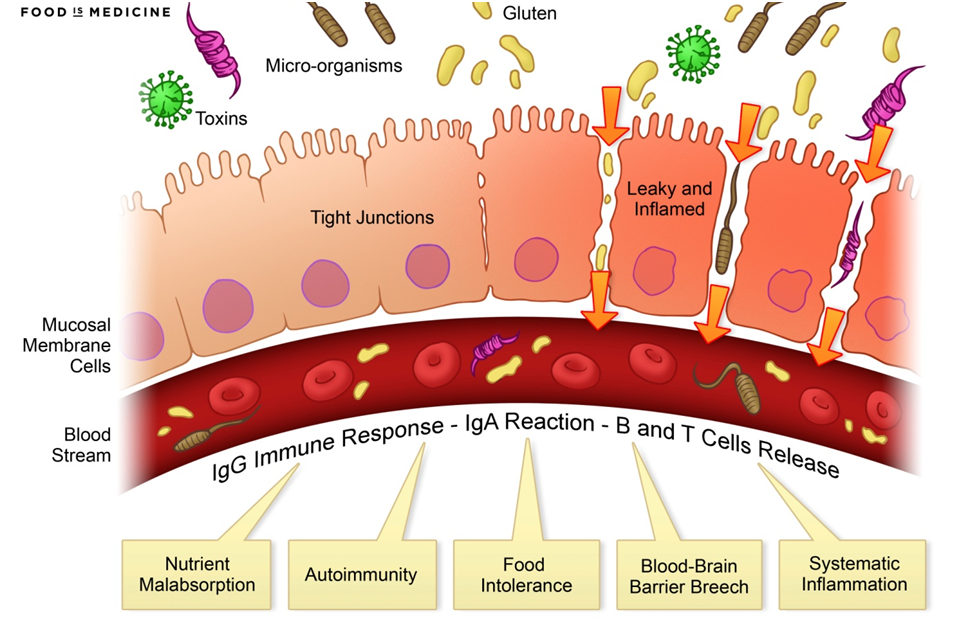
LPS is a component of the outer membrane of certain gram-negative bacteria. In a healthy gut, it stays inside the intestinal lumen, passing through and out. But when the gut lining becomes leaky (which I have written about here), and when dysbiosis means more LPS-producing bacteria are present, that LPS crosses into the bloodstream.
This is endotoxemia, which is a low-grade, chronic flood of bacterial toxins into circulation. Your immune system responds exactly as it was designed to: with inflammation. That inflammation becomes systemic. It affects your joints, your skin, your thyroid, your brain, and your metabolism.
Chronic LPS exposure has been shown to drive insulin resistance directly. It triggers inflammatory cytokines that interfere with insulin signaling at the cellular level. It activates the immune system in ways that keep the body in a state of low-grade alarm. Over time, that alarm state changes how your cells respond to glucose. This happens because your immune system is too busy fighting gut-derived toxins to manage energy properly, rather than because you are eating too much sugar.
The microbiome-insulin connection
Insulin resistance is often framed as a sugar problem or a weight problem. But for many women, it begins as a gut problem.
The microbiome influences insulin sensitivity through several pathways:
- Short-chain fatty acids (SCFAs): Beneficial bacteria ferment fiber into butyrate, propionate, and acetate. Butyrate, in particular, strengthens the gut barrier, reduces inflammation, and directly improves insulin sensitivity in muscle and liver tissue. When beneficial species are missing, SCFA production drops and insulin resistance rises.
- Bile acid metabolism: Gut bacteria modify bile acids, which are not just digestive detergents but signaling molecules that regulate glucose and lipid metabolism. Dysbiosis alters bile acid profiles in ways that impair metabolic control.
- LPS-driven inflammation: As mentioned above, chronic LPS exposure from a leaky, dysbiotic gut directly interferes with insulin receptor function and promotes visceral fat storage.
- The estrobolome: Gut bacteria metabolize estrogen, and estrogen status profoundly affects insulin sensitivity. I have written about this connection in detail here, but the short version is: when your gut cannot clear estrogen properly, you end up with estrogen dominance, which worsens insulin resistance and changes where your body stores fat.
- Akkermansia muciniphila: This beneficial species, which lives in the mucus layer of the gut lining, has been consistently associated with improved metabolic health, better glucose control, and lower body fat. It is often depleted in women with insulin resistance, obesity, and type 2 diabetes.
This is why some women can eat the same diet as their friend and gain weight while their friend does not. It is not fair. But it is not magic either. It is the difference between a microbiome that supports metabolic health and one that undermines it.
What this looks like in real life
She is in her late thirties or early forties. She has been told her fasting glucose is "normal" and her A1C is "fine." But she knows something is off. The belly fat that appeared seemingly overnight. The energy crash after meals. The carb cravings that feel bigger than her. The brain fog that settles in by mid-afternoon. The inflammation that flares for no clear reason.
She has tried keto. She has tried fasting. She has tried the supplements. And while some of it helped for a season, the underlying pattern keeps returning—because the terrain underneath her metabolism has never been addressed.
When we actually look, we often find:
- A microbiome that is missing the butyrate-producing species and overgrown with LPS-producing gram-negative bacteria.
- A gut lining that is inflamed and leaky, allowing bacterial toxins into circulation.
- Low stomach acid that prevents proper protein breakdown and leaves undigested food for opportunistic bacteria to ferment.
- A nervous system that has been in low-grade threat for years, which directly alters gut motility, acid secretion, and microbial balance.
- Bile that is sluggish and thick, unable to clear toxins or regulate metabolism properly.
- Estrogen that is not clearing through the gut, compounding the metabolic picture.
None of this is a calorie problem. All of it is a terrain problem.
Rebuilding the microbiome: the order that matters
You cannot probiotic your way out of a broken gut. Probiotics are tools, not replacements for the hard work of rebuilding the terrain. Here is the order I have learned, walking with hundreds of women through this:
1. Calm the nervous system. A gut in fight-or-flight will not shift its microbiome. The vagus nerve regulates gut motility, acid secretion, enzyme release, and microbial balance. Breath work, prayer, slow mornings, real rest, and the willingness to let your body feel safe are foundational rather than extras.
2. Restore stomach acid. Bitters before meals, slowing down, chewing thoroughly, and (when appropriate) targeted support like betaine HCl with pepsin under guidance. Proper acid sterilizes what enters the stomach, initiates protein breakdown, and signals the rest of the digestive cascade. Without it, everything downstream suffers, including the microbiome.
3. Remove the irritants and the overgrowth. Gluten, alcohol, ultra-processed oils, excess sugar, and (for a season) the foods you react to. Targeted antimicrobials when needed for SIBO, candida, or other overgrowths, but only after the upstream work is done. You cannot clear overgrowth in a gut that is not moving, not acidifying, and not draining properly.
4. Rebuild the lining. L-glutamine, zinc carnosine, slippery elm, marshmallow root, and the slow, patient work of sealing the barrier so LPS stays where it belongs.
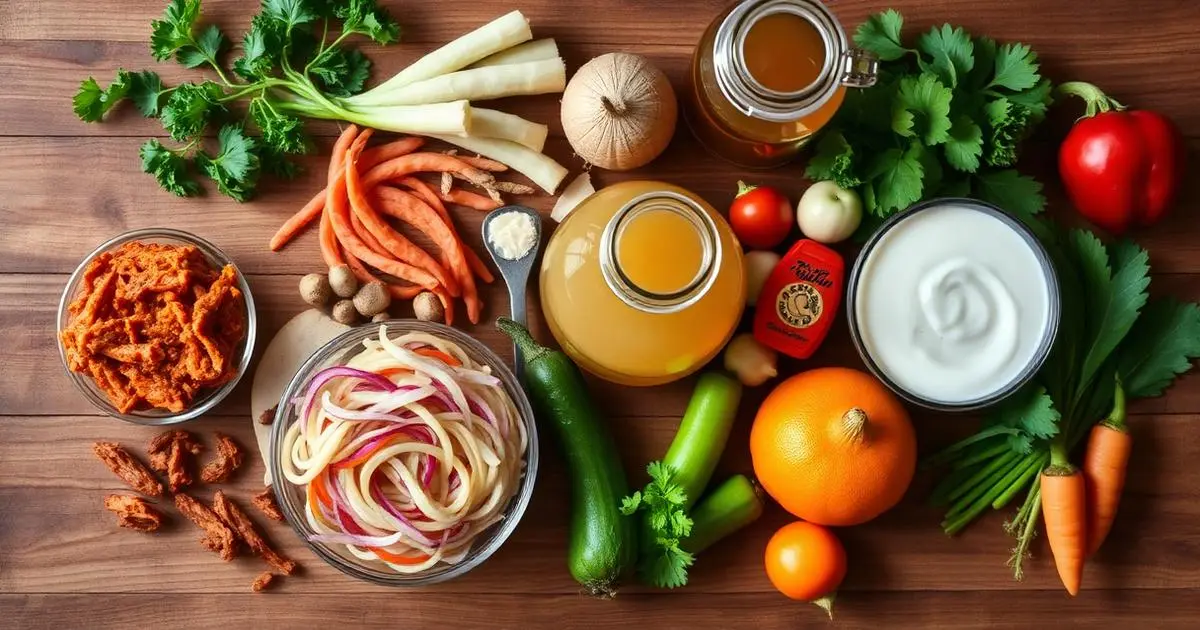
5. Feed the right species. This is where the shift actually happens. Fermented foods (sauerkraut, kimchi, kefir, yogurt if tolerated), a wide variety of colorful plant fibers, resistant starches, and polyphenol-rich foods. The goal is diversity—a rich, varied ecosystem that can do the work your body needs—rather than one magic probiotic strain.
6. Open drainage and support gentle cellular detox. Bile flow, daily bowel movements, lymph movement, liver support. Cellular detox layered in gently throughout, and more intentionally once pathogens and overgrowth are addressed.
7. Replenish minerals and cofactors. Magnesium, zinc, B-vitamins, and the fat-soluble vitamins your metabolic enzymes have been waiting for.
Notice what is not step one: a restrictive diet, a probiotic megadose, or a glucose-blocking supplement. Those are downstream tools for an upstream problem.
A word about faith and the body
If you are a woman who has been quietly believing that your cravings are a moral failing, that your weight is a discipline problem, or that your body is simply defective, I want to say this gently. Your body is not broken in the way you have been told. It is responding, faithfully, to a terrain that has never been properly stewarded.
The same God who numbered the hairs on your head also numbered the bacteria in your gut. He designed the vagus nerve. He designed the microbiome. He designed the intricate, humbling reality that your metabolism is an ecosystem to be tended rather than a furnace to be restricted.
Sometimes the most spiritual thing a woman can do is stop fighting her body and start listening to it. The cravings, the inflammation, and the blood sugar swings are all pieces of information. They are signals from a system that has been asking for help, quietly, for a very long time.
If this is you
If you have been chasing cravings, inflammation, and blood sugar dysregulation for years and the diets, the supplements, and the discipline have only ever taken the edge off, your microbiome deserves a long, honest look. You need a real, root-cause look at the terrain—the acid, the lining, the motility, the bile, the nervous system, the drainage, and the microbial ecosystem—instead of a stool test that misses half of what is happening.
This is the work I do with women. If you are ready to stop fighting your appetite and start rebuilding the foundation underneath your metabolism, I would love to walk it with you.
You were never meant to live at war with your own body.
Topics in this teaching

Written by
Sarah Phillipe, BSN, FDN-P, HHP
Retired RN, Functional Diagnostic Nutrition Practitioner, and Board-Certified Holistic Health Practitioner helping Christian women heal from chronic illness through faith-centered, root-cause care.