
My Approach To
GI-MAP: A Clear Look at What Is Happening in Your Gut
So much of healing runs through the gut: digestion, immunity, inflammation, mood, and how well you absorb the nutrients you work so hard to eat. The GI-MAP is a stool test that uses DNA-based technology to look at the microbes and markers in your digestive tract. Here is how I use it to find what may be getting in the way and decide where to start.
"Beloved, I pray that you may prosper in all things and be in health, just as your soul prospers." — 3 John 1:2
Why I Use the GI-MAP
The gut is often where I start, because so many other systems depend on it. If digestion is weak, the gut lining is irritated, or unwanted organisms are taking up space, the rest of the body feels it.
The GI-MAP gives me a detailed map of the gut environment from a single at-home collection. It helps me see what is there, what is missing, and how the gut is functioning, so our plan is built on information instead of trial and error.
Why Gut Symptoms Often Go Unexplained
Standard stool testing is usually designed to catch acute infections. If nothing serious shows up, the answer is often to manage symptoms with medication or a restrictive diet.
Many chronic gut issues sit in the space between healthy and sick: an imbalance of bacteria, low-grade yeast overgrowth, a parasite, weak digestion, or an irritated gut lining. These patterns can drive symptoms throughout the body, from skin and joints to mood and energy.

When you have tried every diet and your gut still is not right.
Many women come to me after cutting out food after food, trying probiotics, and still dealing with bloating, irregularity, or reactions. Without knowing what is actually happening inside, it is easy to spin in circles.
How I Read the Results
A GI-MAP result is not a list of bugs to kill. I read it alongside your history, symptoms, and capacity, because the gut reflects the whole terrain of the body, including stress, toxic load, and nutrition.
That shapes the order of the work. Often we support digestion, drainage, and the gut lining before any targeted cleansing, so your body can handle the process well. Pacing the plan to your capacity is a core part of how I work.
What the GI-MAP Looks At
The GI-MAP covers several areas of gut health. Here is what each one tells me.
- Pathogens: Bacteria, viruses, and parasites that can drive acute or ongoing symptoms.
- H. pylori: Including virulence factors, which can relate to reflux, low stomach acid, and poor digestion.
- Commensal bacteria: The balance of beneficial and less helpful bacteria in your microbiome.
- Opportunistic organisms: Bacteria, yeast such as Candida, and other microbes that can overgrow when the terrain is out of balance.
- Parasites and worms: Protozoa and worms that may be contributing to symptoms.
- Digestion and gut health markers: Elastase, fat in the stool, secretory IgA, calprotectin, beta-glucuronidase, zonulin, and occult blood, which point to digestive function, gut immunity, inflammation, and the gut lining.
Collection and Timing
The test is collected at home from a single stool sample, and you will receive instructions with your kit. Some supplements and medications can affect results, so share everything you are taking, and do not stop anything prescribed without talking to your provider.
Once the lab receives your sample, results typically take about two weeks. We then review them together in a private consultation.
What I Want You to Hear
Your gut is not broken beyond repair. It is responding to what it has been through, and it can be restored when we give it what it needs and remove what is in the way.
Knowing what is happening inside brings clarity, and clarity brings a path forward.
Go deeper
Frequently asked questions
What is the GI-MAP?
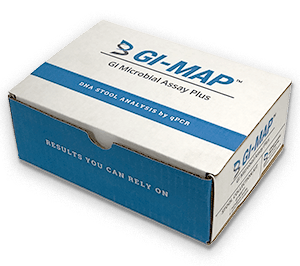
The GI-MAP (GI Microbial Assay Plus) is a stool test from Diagnostic Solutions Laboratory that uses quantitative PCR, a DNA-based method, to measure bacteria, parasites, yeast, viruses, and markers of digestion, inflammation, and gut immunity.
How is it different from a standard stool test?
Standard testing is often focused on acute infection. The GI-MAP measures the amount of many organisms plus functional markers, which helps reveal imbalances that may not show up as a diagnosable infection.
Do I need to stop supplements before the test?
Some supplements, such as antimicrobials and certain probiotics, can affect results. I will go over this with you before you collect. Never stop prescribed medications without talking to your provider.
How long do results take?
Typically about two weeks after the lab receives your sample. Once results are in and your forms are complete, you can schedule your private consultation.
Does this replace medical care?
No. This service is educational and wellness focused. It does not diagnose or treat disease and does not replace care from your licensed healthcare provider.
Ready for a real next step?
If this is your story too, you don't have to keep guessing or stacking another protocol. Start with the free Toxic Load Assessment + Masterclass, or apply to work with me one-on-one.