
My Approach To
Breast Implant Illness: My Story, My Approach, and What Most Women Aren't Told
If you're sick, scared, and quietly wondering whether your implants could be part of what's wrong with you — you're not crazy, and you're not alone. I've lived this. Here's how I think about breast implant illness, why explant is usually a beginning rather than a finish line, and what I walk women through when the real healing work starts.
"I will give you back your health and heal your wounds, says the Lord." — Jeremiah 30:17
First, a little of my own story
For years, I was the breast implant illness girl. It was the doorway God used to wake me up, to bring me to my knees, and to send me down the road that became my entire life's work. But I want to be honest with you up front: removing the implants was not the finish line I thought it would be.
I got breast implants in my late 20s. Not because my husband wanted me to — he loved me exactly as I was. I wanted them because of a seed planted in my childhood about what it meant to be a real woman: to be beautiful, to be worthy, to be valuable. I was deep in fitness culture, restricting my food, training with a bodybuilding coach, chasing an aesthetic. The implants felt like the one missing piece.
I remember going under anesthesia thinking, 'What am I doing?' But it was too late. Within about six months, the unraveling started — and it didn't stop for years.
Why Most Women Aren't Told the Truth
We're not told the full picture — not by conventional medicine, and not by the aesthetic industry. Implants are presented as routine, safe, and reversible. The chemical compounds inside them, the way they dysregulate the immune system, and the chronic inflammatory load they place on the body are almost never part of the conversation.
And when women start to get sick, they're told their labs are normal and they need counseling. I lived that. I saw doctor after doctor. The naturopath finally found Hashimoto's. No one looked further upstream.
On the other side of the conversation, there's a different kind of misinformation: that explant alone is the cure. It isn't. I've watched too many women explant, expect to feel better in weeks, and feel devastated when the symptoms don't fully lift. That's not because explant was the wrong choice. It's because the next layer of healing work hasn't been done yet.

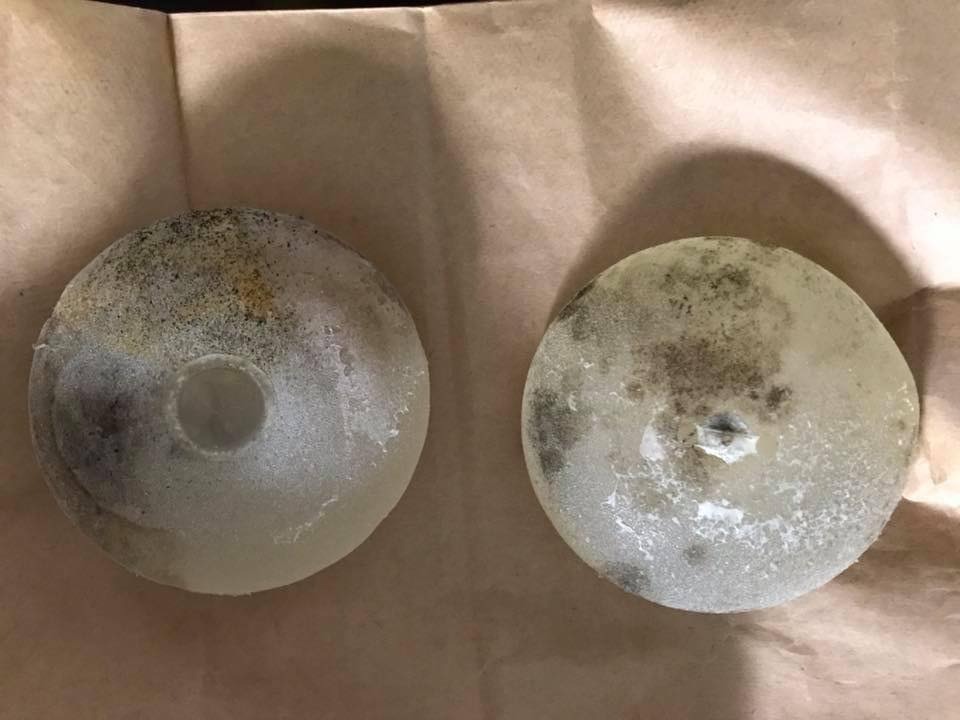
Your implants aren't "just cosmetic." They're foreign objects your immune system has been quietly fighting for years.
The brain fog, the joint pain, the weight that won't budge, the anxiety that crept in out of nowhere — your body has been telling the truth the whole time, even when the imaging came back clear and the surgeon told you they couldn't possibly be the problem.
How My Approach Is Different
I don't approach breast implant illness as one isolated problem with one isolated fix. I approach it the way I had to live it — as a tipping point on top of a lifetime of cumulative load.
By the time my implants came out, I was also dealing with SIBO, Lyme, Hashimoto's, tanked sex hormones, tanked cortisol, and stage four endometriosis that had invaded my bowel. The implants were the straw, but they weren't the whole pile. Mercury exposure in utero, processed food, antibiotics, birth control, night shift nursing, yo-yo dieting, smaller traumas — all of it had set the stage.
So the work I do with women is multi-therapeutic and ordered. We don't chase symptoms with another protocol stacked on top of the last one. We look at the whole story, take the foreign body burden seriously, and then we do the deeper, foundational work the body actually needs to come back into balance.
The Work That Actually Moves the Needle
Once the source of toxic burden is addressed — whether that's explant or another exposure — real healing starts with foundations, not more protocols. The order matters. Skipping foundations is why so many women feel like they've tried everything and nothing sticks.
These are the layers I walk women through, in roughly this order:
- Opening drainage pathways so the body can actually move things out.
- Regulating a fried nervous system so the body feels safe enough to heal.
- Restoring the gut and addressing stealth pathogens — SIBO, candida, parasites, biofilms, and hidden infections — with gentle cellular detox running alongside this work.
- Go deeper with intentional cellular detox after the initial layers, clearing the heavy metals and chemical load that have been stored in tissues while the implants were in place.
- Rebuilding mineral and mitochondrial status so the cells have what they need.
- Supporting hormones and the liver downstream rather than chasing them directly.
- Making detox a lifestyle, not a 10-day cleanse — the part most explant journeys are missing.
What I Want You to Hear
If you still have breast implants and are wondering, you're not crazy for asking the question. Your body is telling the truth, and it deserves to be listened to.
If you've already explanted and you're still struggling, please hear this: you did not do anything wrong. The explant was the right choice. The next layer of work is what you're missing, and it is absolutely available to you. Your body is still capable. Your body still wants to heal. You just need the right roadmap.
God didn't give me breast implant illness. But He used it. He used it to dismantle every false thing I had built my identity on, and to give me work that actually matters. If any part of this is your story too, you don't have to walk it alone.
Go deeper
The Breast Implant Illness Summit
A full library of teachings from me and my colleague Danielle on BII, explant, and recovery.
Free Breast Implant Illness Guide
A grounded starting point if you're researching explant or recovering from one.
Library: Breast Implant Illness teachings
Every article and podcast episode tagged with BII.
Frequently asked questions
What is breast implant illness?
Breast implant illness (BII) is a constellation of chronic, systemic symptoms — fatigue, brain fog, anxiety, hormone dysregulation, GI issues, autoimmunity, skin issues, food sensitivities, hair loss, and more — that develop after breast implant placement. It's driven largely by the chronic immune dysregulation and chemical/biofilm burden created by having a foreign body in the chest cavity long-term.
Will explant fix my symptoms?
Explant removes the ongoing source of burden, which is essential — but it's almost never the finish line on its own. Most women still need to do the deeper work of opening drainage, regulating the nervous system, restoring the gut, addressing stealth infections, and then doing the deeper detox work to address the toxic load the body has been carrying for years. Rebuilding minerals and mitochondria comes alongside that work. That's normal. It does not mean the explant failed.
How long does healing take after explant?
It varies, and it depends largely on how much foundational work is done and how long the implants were in. For me it took roughly two more years of real, ordered work after explant. Some women move faster, some slower. The body is on its own timeline, and pushing it harder usually backfires.
Do I need to explant before I can start healing?
You can begin foundational work — drainage, nervous system, gut, minerals, lifestyle — at any time, and it's wise to. But if the implants are the ongoing source of inflammatory load, true resolution typically requires explant. That's a deeply personal decision and one I always invite women to bring before the Lord, not just before a surgeon.
Do you work with women who haven't explanted yet?
Yes. I work with women at every stage — considering explant, preparing for explant, and years post-explant who still aren't well. The work meets you where you are.
Ready for a real next step?
If this is your story too, you don't have to keep guessing or stacking another protocol. Start with the free Toxic Load Assessment + Masterclass, or apply to work with me one-on-one.